
Essential Winter Survival Tips for Your Car
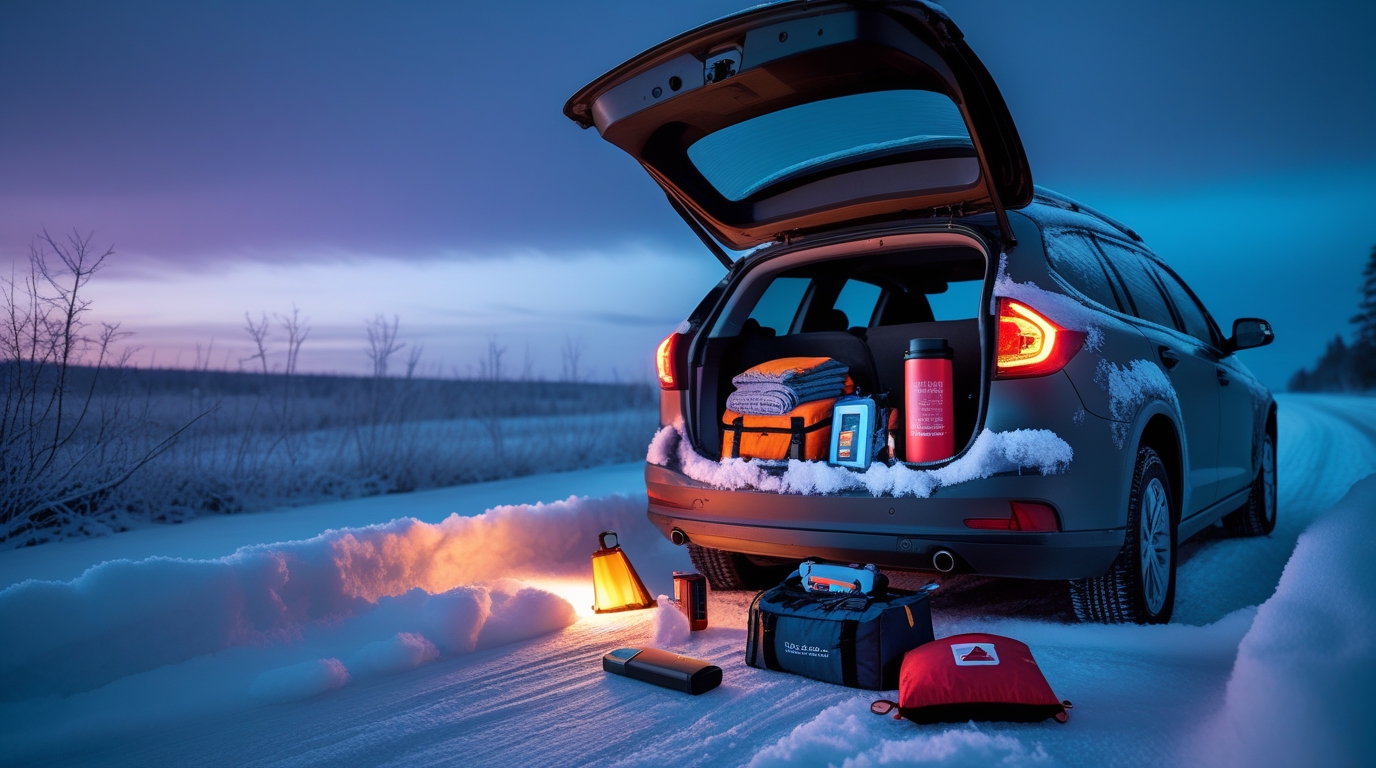
Winter driving problems become emergencies quickly when snow, ice, wind, and low temperatures arrive together. The safest plan is to prepare the vehicle before the season, carry supplies for a delay, check conditions before every trip, and stay off the road when officials advise against travel.
This guide is for drivers in the United States. Vehicle requirements, traction-device rules, and emergency procedures vary by state and vehicle. Follow your owner’s manual, product instructions, road restrictions, and current directions from local authorities.
Prepare the vehicle before winter
Start with the maintenance schedule in your owner’s manual. If you are not qualified to inspect or repair a system, have a mechanic do it. The National Highway Traffic Safety Administration recommends checking the battery and charging system, cooling system, lights, windshield wipers and winter-rated washer fluid, tires, brakes, and other needed repairs before severe weather.
Tires and traction
Cold weather lowers tire pressure. Check every tire when cold and inflate it to the vehicle manufacturer’s recommended pressure shown in the owner’s manual or on the driver-side door-frame label. Do not use the maximum pressure molded into the tire sidewall as the vehicle target.
Inspect tread, sidewalls, and the spare if the vehicle has one. Winter tires can improve cold-weather traction, but they do not eliminate the need to slow down. If chains or other traction devices may be required on your route, confirm that they are legal, correctly sized, and approved for your vehicle. Practice installing them in safe conditions before they are needed.
Visibility and exterior checks
- Test the headlights, brake lights, turn signals, emergency flashers, and interior lights.
- Replace worn wiper blades and fill the reservoir with winter washer fluid suited to expected temperatures.
- Verify that the heater and defrosters work before a storm.
- Remove snow and ice from the roof, hood, lights, windows, mirrors, cameras, and sensors before driving.
- Clear snow from the exhaust outlet before starting the engine.
Fuel, battery, and recalls
Keep a gasoline vehicle’s tank close to full when practical. For electric and plug-in hybrid vehicles, keep the battery charged and remember that cabin heating and battery temperature management can reduce cold-weather range. Review the manufacturer’s cold-weather guidance for your model.
Check the vehicle identification number with the NHTSA recall lookup and arrange repairs for open safety recalls. A seasonal inspection is also a good time to confirm that the jack, wheel-lock key, tow point, spare tire or inflator, and roadside-assistance details are usable.
Build a winter vehicle emergency kit
Pack for the possibility that the vehicle will not provide heat. Adjust quantities for the number of passengers, trip length, climate, health needs, and local hazards. Store the kit where it remains accessible if the trunk or cargo area is blocked.
- Warm layers, hats, gloves, boots, and blankets for every occupant
- Snow shovel, broom or snow brush, and ice scraper
- Sand or cat litter for limited traction assistance
- Flashlight or headlamp with spare batteries
- Reflective warning devices and a bright cloth or flag
- First-aid kit and necessary prescription medicine
- Drinking water and nonperishable food
- Charged phone, vehicle charger, and backup power bank
- Jumper cables or an appropriately rated jump pack
- Paper map, emergency contacts, and roadside-assistance information
Review the kit before winter and before long trips. Replace expired food, discharged batteries, damaged equipment, and anything used during the year. Our 72-hour emergency kit checklist can help identify household supplies that may also be appropriate for a vehicle, but keep weight, temperature exposure, and safe storage in mind.
Make a go or no-go decision
Check National Weather Service information, state transportation updates, local road closures, and traffic conditions before departure. Many states provide 511 travel information. If roads are unsafe or authorities advise against travel, postpone nonessential trips.
For necessary travel, tell a reliable contact your route, destination, departure time, and expected arrival. Agree on what they should do if you miss a check-in. Record the plan in our Emergency Communications Plan, and carry an offline copy. Familiarize yourself with the route even if you use GPS. For an offline navigation backup, review our guide to navigation without GPS.
Drive for the available traction
Snow, sleet, and ice reduce the ability to steer and stop. Slow down, increase following distance, and make steering, braking, and acceleration inputs gradually. Wear seat belts, remove distractions, and never drive impaired.
- Leave enough space to stop without relying on a last-second maneuver.
- Avoid crowding or driving beside a snowplow. Plows may stop, turn widely, overlap lanes, or exit unexpectedly.
- Expect shaded areas, bridges, overpasses, and untreated roads to be hazardous.
- If visibility becomes unsafe, use a legal safe place to stop. Do not stop in a travel lane.
- Follow the vehicle manufacturer’s instructions for anti-lock brakes, stability control, drive modes, and traction devices.
Do not use public roads or an improvised parking-lot exercise to teach yourself skid recovery. If you want practical winter-driving instruction, use a qualified course in a controlled environment.
What to do if you become stranded
Call 911 for immediate danger, injury, a medical emergency, or a location that puts the vehicle at risk of being struck. Otherwise contact roadside assistance or the appropriate local authority and provide your location, vehicle description, number of occupants, medical needs, and remaining supplies.
NHTSA and the Centers for Disease Control and Prevention generally advise staying with the vehicle in severe winter conditions because it provides shelter and is easier for rescuers to find. Exceptions can exist, such as fire, rising water, or another immediate hazard. Follow emergency-service instructions.
- Move needed supplies into the passenger area and put on warm layers before you become chilled.
- Make the vehicle visible with hazard lights and a bright marker, without stepping into moving traffic.
- Clear snow from the exhaust outlet before running the engine, and recheck it as snow accumulates.
- Use the engine and heater only intermittently. CDC guidance for a stranded vehicle describes about 10 minutes per hour with one window opened slightly for fresh air. Conserve fuel and follow responder instructions.
- Stay awake, keep your head covered, and move your arms and legs periodically without overexerting yourself.
- Keep occupants together unless leaving is necessary to escape an immediate danger.
Treat carbon monoxide as an invisible hazard
Carbon monoxide is colorless and odorless. A snow-blocked tailpipe or an exhaust leak can allow it to build up inside a vehicle. Headache, dizziness, weakness, nausea, vomiting, chest pain, or confusion can be warning signs. If carbon monoxide exposure is possible, move to fresh air without entering traffic or another hazard and call 911. Never run a vehicle inside an attached garage, even with the garage door open.
A repeatable winter readiness routine
- Before the season: service the vehicle, check tires, test visibility systems, review recalls, and build the kit.
- Before each trip: check weather and roads, charge the phone, confirm fuel or battery range, clear the vehicle, and share the route.
- While driving: slow down, increase space, avoid distractions, and turn back when conditions exceed your vehicle or experience.
- If stranded: contact help, stay visible, manage warmth, keep the exhaust clear, and control carbon monoxide risk.
Preparedness does not make winter roads safe, but it gives you better options when travel is delayed or a vehicle stops. Rehearse the communications part with your household and record improvements in the 72-Hour Household Preparedness Planner.
Sources and further guidance
- National Highway Traffic Safety Administration: Winter Weather Driving Tips
- National Highway Traffic Safety Administration: Driving in Severe Weather
- Centers for Disease Control and Prevention: Safety During and After a Winter Storm
- Centers for Disease Control and Prevention: Carbon Monoxide Poisoning Basics
- Ready.gov: Winter Weather