
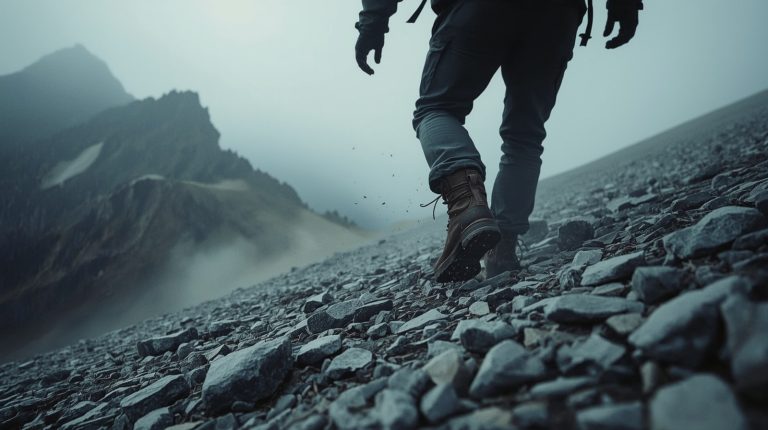
Loose terrain is where simple hiking mistakes turn into real injuries: ankles roll, knees get blown out, and one kicked rock can take out...
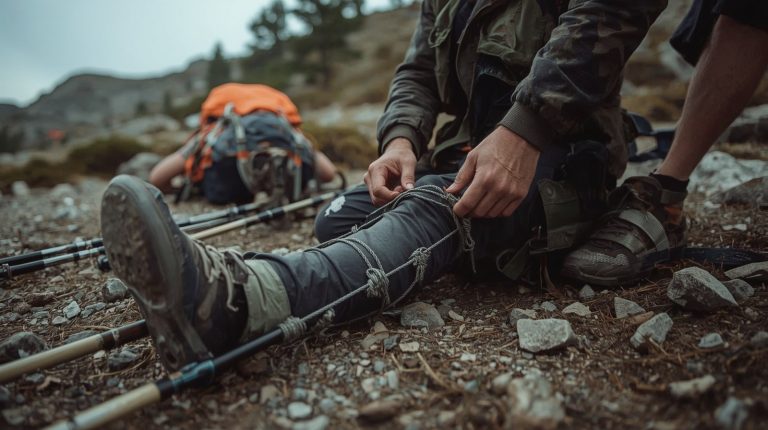
A splint that “sort of” works can be worse than no splint at all. If it loosens, twists, or cuts off circulation, you trade...
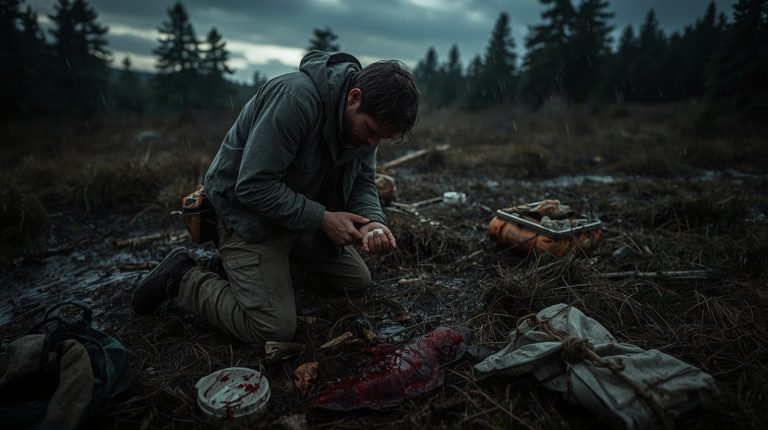
When you are days from a trailhead or weather has grounded extraction, wound care stops being a quick “bandage it and move on” problem....
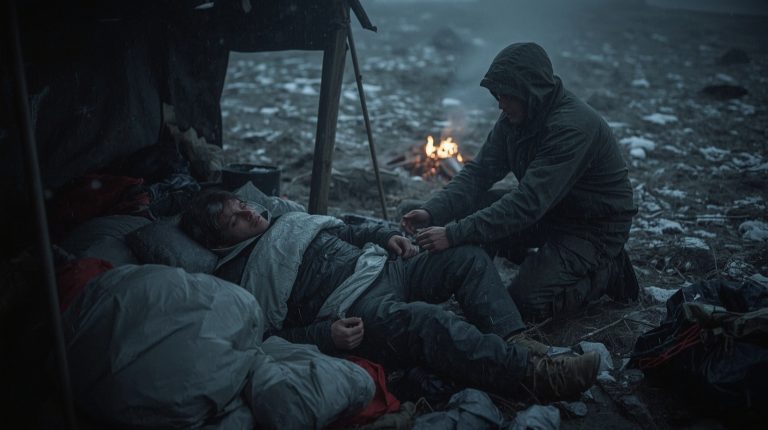
Hypothermia is rarely a dramatic, movie-style collapse. In real terrain it is usually a quiet performance failure that starts with small mistakes: damp layers,...
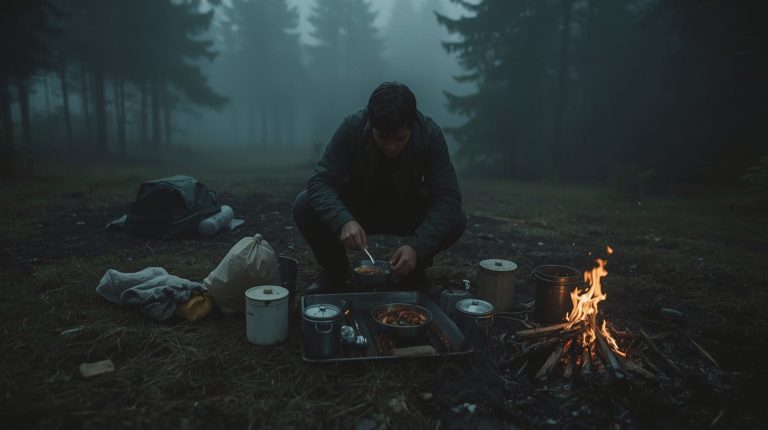
Food poisoning in the backcountry isn’t just uncomfortable-it can become a mobility and hydration problem fast. When you don’t have refrigeration, you need a...
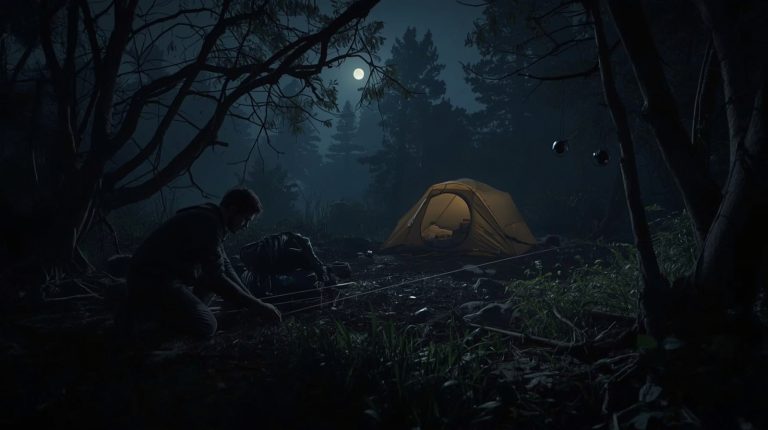
A low-tech early warning perimeter is one of the highest-payoff security upgrades you can make around a camp, especially when you’re operating without electronics....
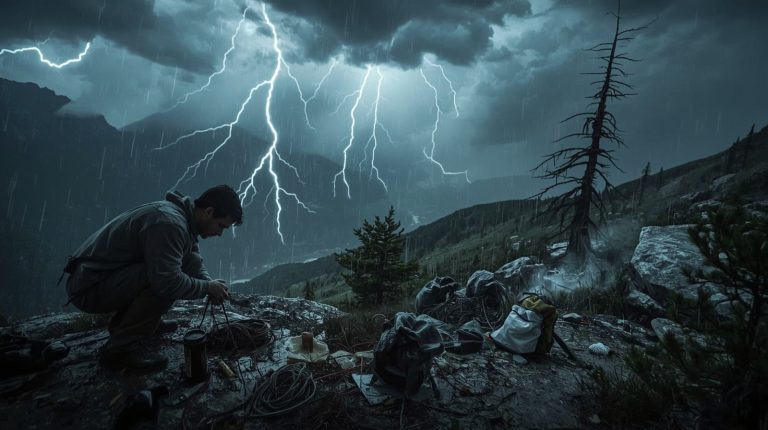
Lightning is one of the most misunderstood hazards in the backcountry because it feels unpredictable, yet it follows repeatable patterns. This guide breaks down...
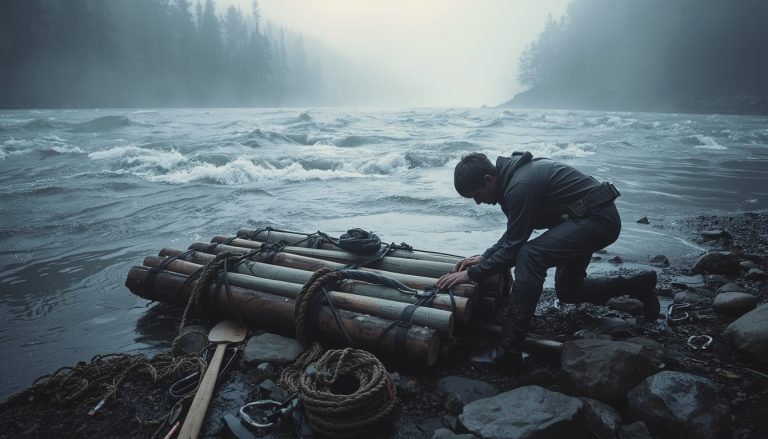
Crossing moving water is one of the highest-risk problems you can face outdoors, and building an improvised raft or flotation aid only makes sense...
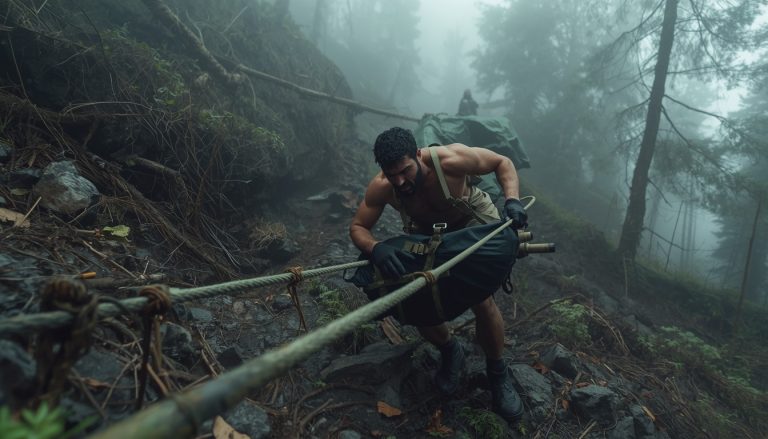
Moving an injured person in remote terrain is one of those skills that sounds straightforward-until you’re on a steep, wet hillside with fading daylight...