
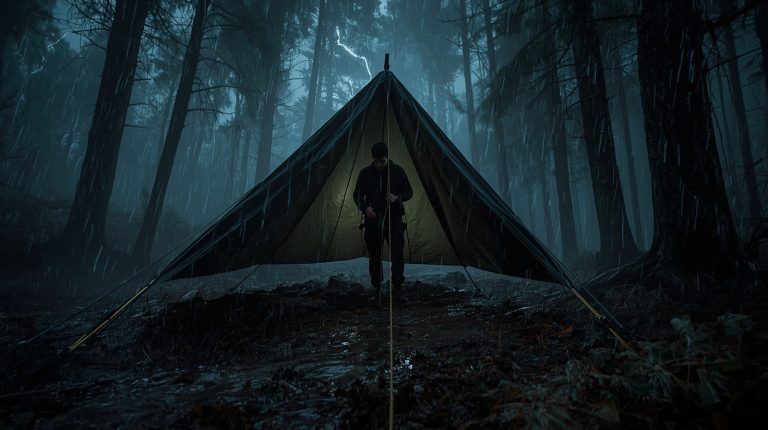
Plan a tarp shelter for rain and wind with suitable anchors, drainage, and realistic storm limitations.
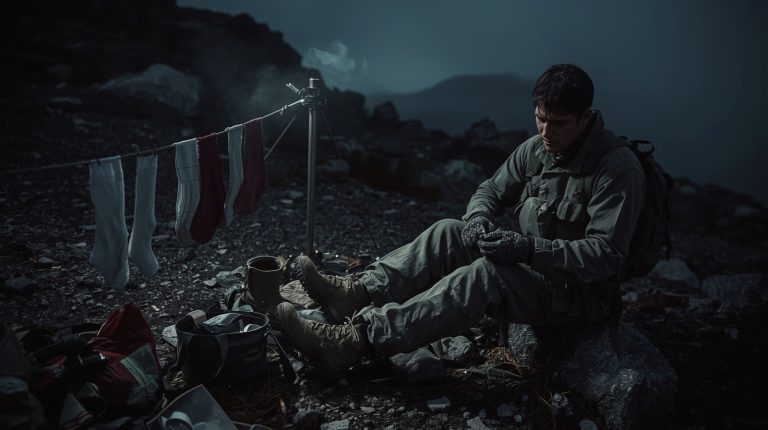
Foot problems don’t usually “happen” all at once. They build in layers: a little heel slip, a damp sock, a minor hot spot you...
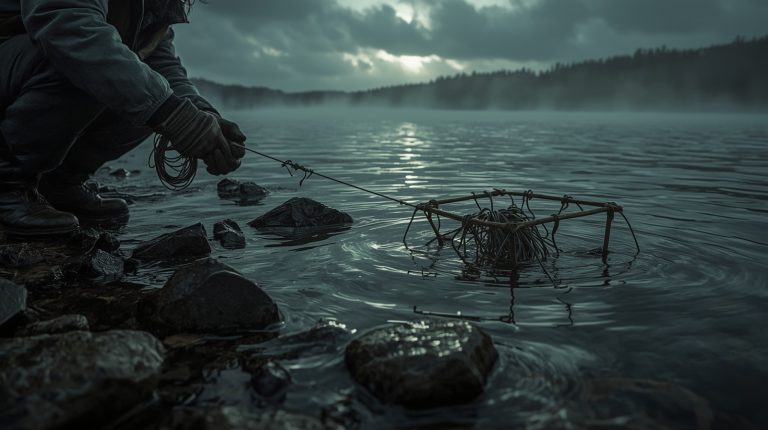
Survival fishing without a rod is less about luck and more about building simple systems that keep working while you handle the rest of...
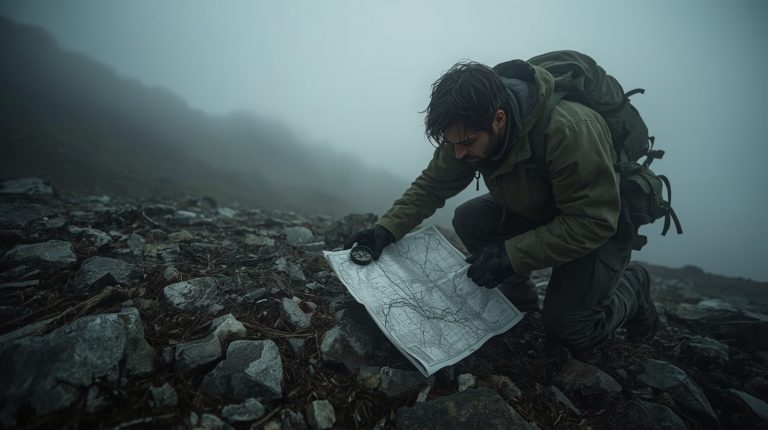
Use map and compass bearings correctly, distinguish true and grid north, and understand the limits of resection.
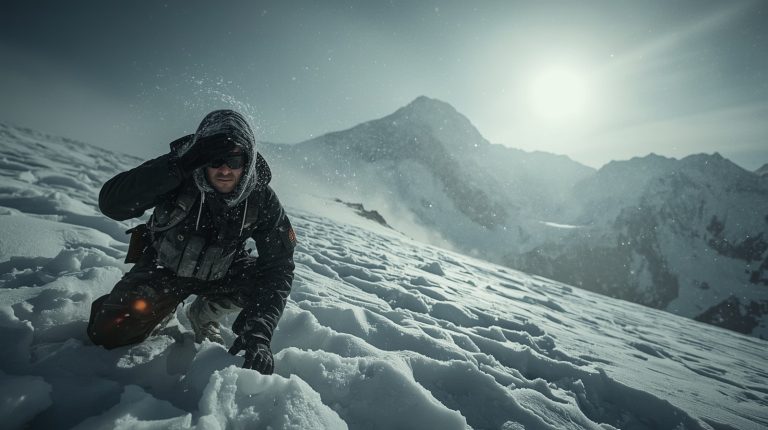
Eye injuries in the backcountry rarely start dramatic. More often, it’s a slow-burn problem: a windy ridge line throwing grit under your eyelid, a...
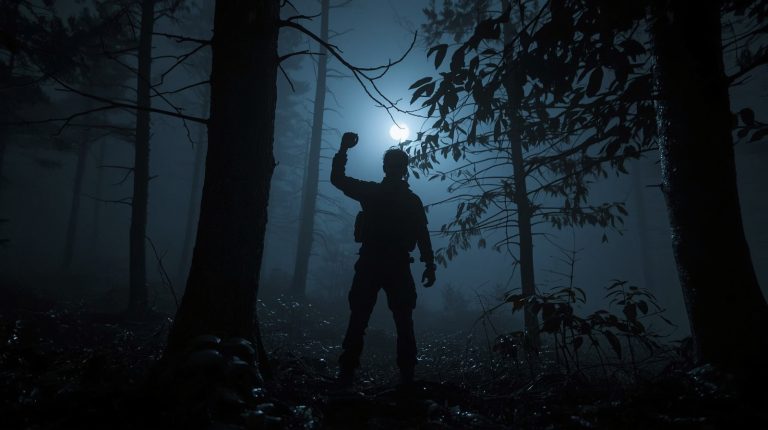
Coordinate a hiking group with agreed hand signals while keeping safety calls, lost-contact procedures, and rescue needs first.
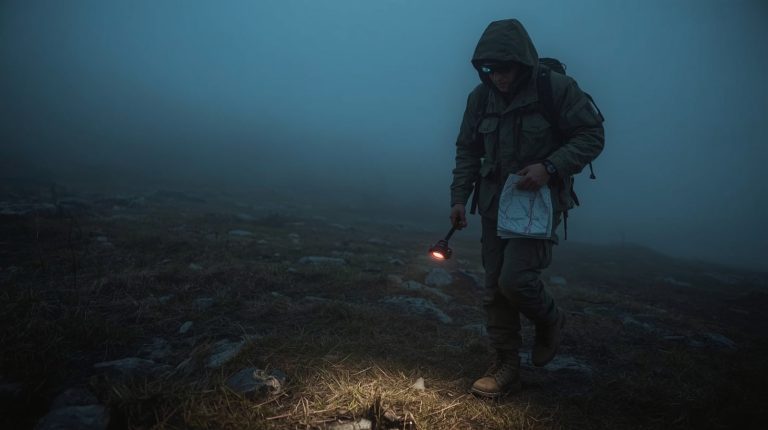
Use calibrated pace counts and compass bearings as estimates, with terrain checks and clear stopping rules.
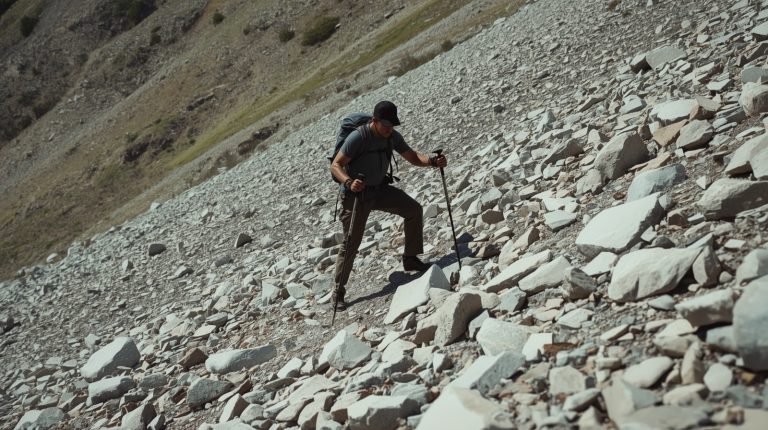
Steep, loose, and unstable terrain is where normal hiking habits stop working. A trekking pole isn’t just a comfort item on these slopes; it’s...
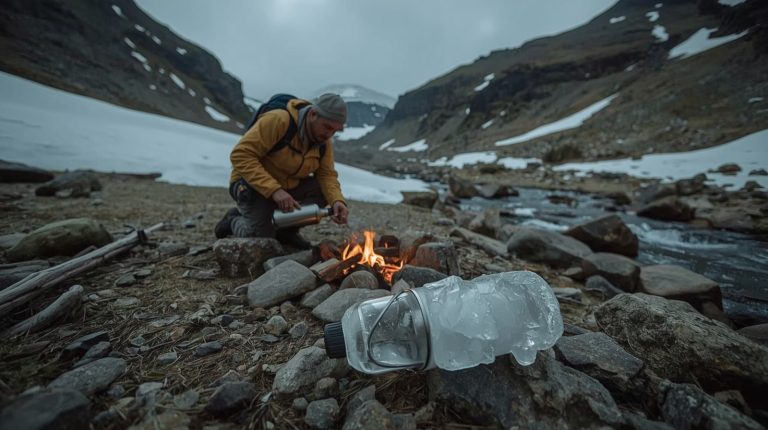
Backcountry water treatment usually fails in predictable ways: your filter freezes overnight, it clogs on silty sources, or you realize too late that “filters...