The Comprehensive Guide to Water Sourcing in the Wilderness
Identifying Potential Water Sources
Natural Indicators of Water
Finding water in the wilderness can be critical for survival. Nature itself hints at where water can be found. Look for:
Related Articles:
- Lush, green vegetation indicating nearby water.
- Bird flight paths at dawn or dusk, which can lead to water sources.
- Animal tracks, as animals frequently visit water sites.
Recognizing these signs is vital when traditional navigation tools are not available.
Types of Water Sources
The wilderness presents a variety of natural water sources, each with its own set of benefits and risks. These include:
- Streams and rivers: Generally reliable but may contain pathogens or pollutants.
- Lakes and ponds: Offer abundant water but risk higher microorganism concentrations due to stagnant water.
- Springs: Often provide the cleanest water, though they can be harder to locate.
Understanding the types of water sources and their potential hazards is crucial for safe water consumption.
Seasonal and Environmental Considerations
Water availability is heavily influenced by seasons and weather conditions. For instance:
- Rainy seasons bring plentiful water but higher contamination risks.
- Dry seasons may restrict water sources to deeper pools or underground springs.
Adapting to these conditions is essential for successful water sourcing.
Preparing to Collect Water
Choosing the Right Collection Tools
Before setting out, ensure you have the right tools for water collection, including:
- A durable, lightweight container.
- A cloth or coffee filter for pre-filtering particulate matter.
These tools are crucial for protecting any purification equipment from damage.
Timing of Collection
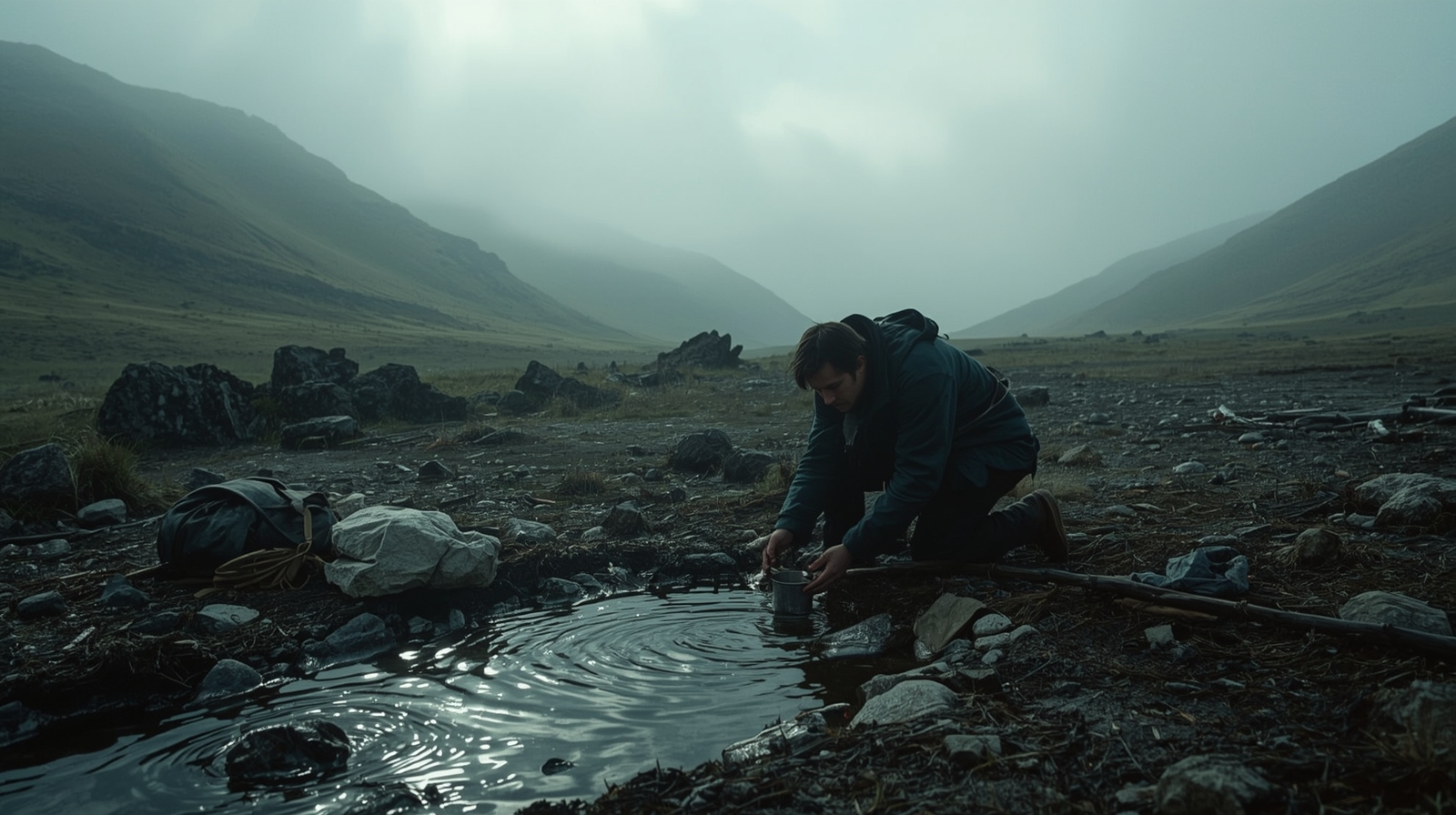
Collecting water during the early morning or late evening reduces evaporation risk and increases the chances of finding the freshest water. Wildlife movements during these times can also guide you to water sources.
Safe Collection Practices
To collect water safely:
- Minimize disturbance to the area to avoid stirring up sediment.
- Use a cloth or pre-filter to remove large particulates.
- Always collect water upstream from potential contamination sources.
Understanding Water Contamination Risks
Biological Contaminants
Water in the wilderness is often unsafe due to biological contaminants such as bacteria, viruses, and protozoa. These can originate from animal and human waste or natural decay. Knowing how to treat water to remove these contaminants is critical.
Chemical and Physical Contaminants
Water can also be contaminated with chemicals from agricultural runoff or mining operations, and physical contaminants like sediments. Awareness of your surroundings and potential pollution sources is key to assessing water safety.
Initial Assessment of Water Quality
A visual and olfactory assessment can reveal obvious signs of contamination, such as foul odors or discoloration. However, clear and odorless water can still harbor invisible threats, necessitating purification.
Purifying Water in the Wilderness
After identifying and collecting water, purification is the next critical step. Methods include:
Boiling
Boiling water for at least one minute (or three minutes at altitudes above 6,500 feet) is a reliable method to kill pathogens. However, it does not remove chemical contaminants.
Filtration
Water filters can remove many types of pathogens, provided they have a pore size of 0.2 microns or smaller. Following the manufacturer’s instructions is crucial for effective use.
Chemical Treatment
Chemical treatments like iodine or chlorine dioxide tablets offer a lightweight purification option. They require a waiting period before the water is safe to drink and may affect the water’s taste.
Storing Purified Water
Proper storage is essential to maintain the safety of purified water. Tips include:
- Using clean, sanitized containers.
- Avoiding cross-contamination.
- Keeping water cool and covered to prevent algae and bacteria growth.
Assessing and Enhancing Water Taste
To improve the taste of purified water:
- Aerate by pouring it between two containers.
- Use flavoring agents or charcoal filters to improve taste and odor.
Advanced Hydration Strategies in the Wilderness
Utilizing Snow and Ice
In colder climates, snow and ice can be vital water sources. Melting snow or ice is safer than consuming it directly to avoid lowering your body temperature.
Dew Collection
Collecting early morning dew with a clean cloth can yield significant water. Ensure the collection area is free from pollutants.
Solar Still
A solar still can extract water from the soil using a clear plastic sheet, a container, and sunlight. Its efficiency varies with environmental conditions.
Troubleshooting Common Water Purification Challenges
Clogged Filters
Sediment can reduce filter effectiveness over time. Regular backflushing and carrying spare parts can mitigate this issue.
Chemical Treatment Ineffectiveness
The effectiveness of chemical treatments can be affected by water temperature and clarity. Adjusting dosage and waiting time can help.
Boiling Complications at High Altitude
At high altitudes, extend boiling times to ensure water safety, as water boils at lower temperatures.
Essential Takeaways for Wilderness Water Safety
- Prioritize water source selection to reduce purification efforts.
- Stay informed and prepared with the latest in water purification technology.
- Embrace flexibility and redundancy in your water sourcing and purification methods.
By understanding and applying these strategies, you can ensure a reliable water supply during your outdoor adventures. Staying hydrated is not just about survival; it’s about thriving in the wilderness.