Optimizing Your Loadout: Balancing Weight and Necessity for Extended Missions
Understanding Gear Selection
The Basics of Gear Weight
When planning for an extended mission, every item’s weight in your pack matters. The principle is simple: the heavier your load, the more energy you expend. This can lead to faster fatigue, reduced mobility, and a less enjoyable, potentially more dangerous trip. Prioritizing lightweight, multipurpose gear is essential. For instance:
Related Articles:
- A water filter can negate the need for carrying large quantities of water.
- A compact, multifunctional tool can replace several heavier, single-purpose items.
Common Challenges with Gear Weight
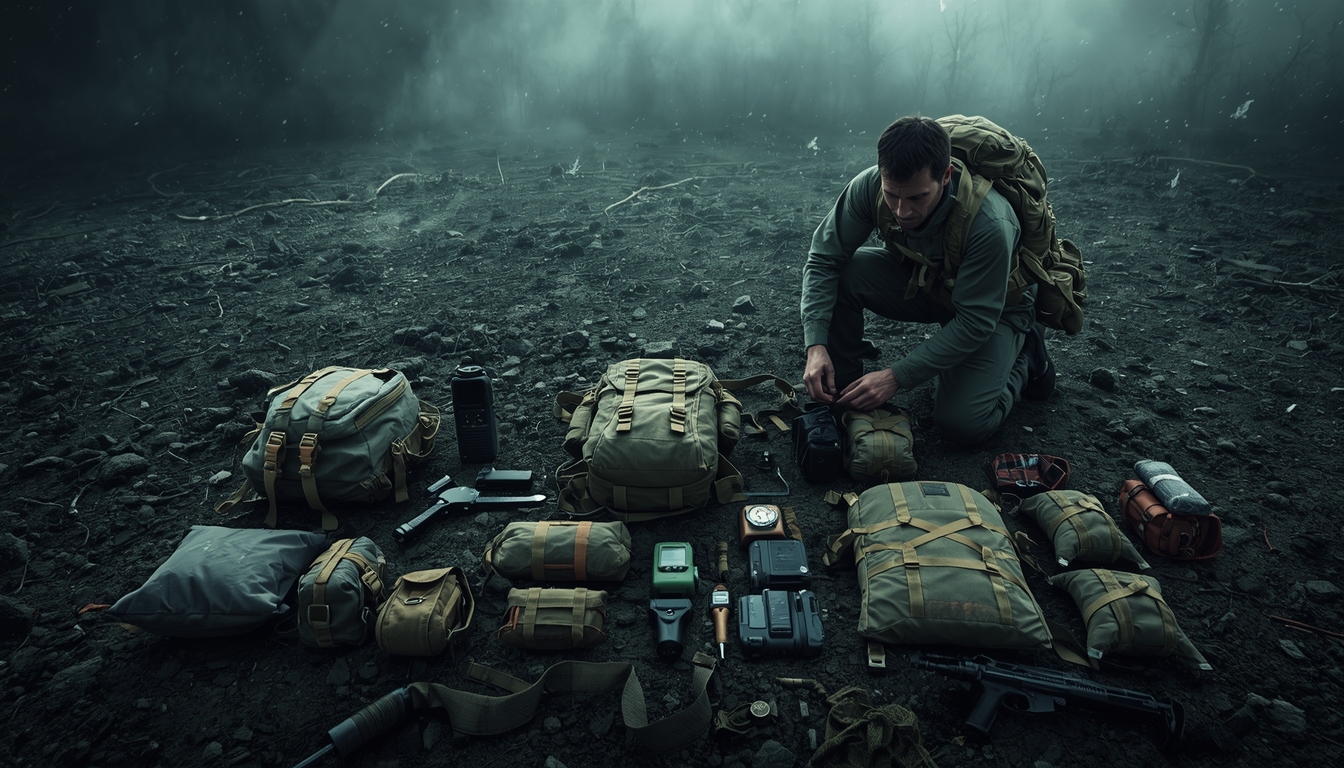
Many adventurers face the dilemma of overpacking. The fear of being unprepared can lead to stuffing your backpack with ‘just in case’ items, significantly increasing its weight. The solution lies in meticulous planning and understanding the difference between essential and non-essential items. A good practice is to lay out all your intended gear, then critically assess each item’s necessity and potential for multi-use.
Key Factors to Consider
Weight vs. Utility
The weight of an item is only one side of the coin; its utility is equally important. An item that is slightly heavier but serves multiple purposes or significantly enhances safety may be worth the extra weight. For example:
- A slightly heavier tent with better insulation could be more beneficial for cold weather missions than a lighter one that offers minimal protection from the elements.
Prioritizing Essentials
Determining what constitutes an ‘essential’ item is subjective and can vary greatly. However, some items are universally recognized as essentials:
- Navigation tools
- First-aid supplies
- A knife
- Shelter
- A means to make fire and purify water
Balancing these necessities with their weight and utility is a key skill in optimizing your loadout.
Gear Packing Strategies
Efficient Packing Techniques
Packing efficiently can significantly reduce your pack’s size and weight. Techniques include:
- Rolling clothes instead of folding
- Using compression sacks
- Evenly distributing weight throughout the pack
The goal is to minimize dead space and ensure that the heaviest items are centered and close to your back to maintain balance.
The Role of Modular Packing
Modular packing systems organize gear into different modules or compartments based on use (e.g., cooking, sleeping, clothing). This approach helps keep your gear organized and prioritizes and accesses essential items more easily. Modular systems can range from different colored stuff sacks to specialized packing cubes and gear organizers.
Adjusting for Climate and Terrain
Climate Considerations
When preparing for extended missions, considering the climate you’ll be encountering is crucial. For instance, colder climates will require more insulation, which can significantly add to your load. However, innovative solutions like wearing layers and choosing materials like merino wool or lightweight synthetic insulation can provide warmth without the bulk. Additionally, a lightweight, waterproof, and breathable shell is indispensable for protecting against wind and rain.
Terrain Adaptability
The terrain dictates the type of gear you’ll need to carry. In rocky or uneven terrain, the importance of durable and supportive footwear cannot be overstated. This might mean a slightly heavier boot, but the trade-off in protection and injury prevention is worth it. For navigating through dense vegetation or technical climbs, gear like gaiters and gloves become essential, despite their added weight. The key is to select items that offer the best combination of weight and functionality.
Balancing Food and Water Supply
Food Selection Strategies
Food is a major consideration on extended missions, both in terms of weight and nutritional value. Dehydrated meals offer a significant advantage, providing a high calorie-to-weight ratio. Incorporating energy-dense foods like nuts, seeds, and chocolate can also boost your calorie intake without adding much weight. It’s also worth considering the use of a compact, lightweight stove and cookware for preparing hot meals.
Water Management Techniques
Water is essential, but it’s also one of the heaviest items to carry. Techniques to reduce the need to carry large quantities include:
- Knowing where you can reliably source water along your route
- Using lightweight water purification methods, like chemical tablets or a small filter
- Carrying a collapsible water container for flexibility without the bulk of rigid bottles.
Gear Maintenance and Repair
On-the-Go Repair Solutions
Even with the best preparation, gear can fail. Having a small repair kit with essentials like duct tape, super glue, and a sewing kit can save your mission. These items are lightweight and can be used for a variety of repairs. Knowing how to use these tools effectively can extend the life of your gear.
Preventive Maintenance Practices
Regular maintenance of your gear can prevent the need for repairs in the field. Before setting out, inspect your equipment thoroughly for any signs of wear and tear. Simple actions like cleaning and waterproofing your tent, checking the integrity of your backpack straps, and ensuring your footwear is in good condition can prevent unexpected failures.
Advanced Load Management Techniques
Balancing Act: Weight Distribution
Understanding the science of weight distribution within your backpack is crucial. A poorly balanced pack can lead to back pain, increased fatigue, and reduced stability. The key is to place the heaviest items close to your spine and near the middle of your back. This centralizes the mass, making the load feel lighter and more manageable.
Efficiency Overload: Space Utilization
Maximizing the available space in your pack without overloading it is an art. Utilizing every nook and cranny effectively means rolling your clothes tightly, packing smaller items inside larger ones, and using compression bags. However, be wary of overstuffing; your pack should have a bit of give to accommodate unforeseen items.
Troubleshooting Common Gear Issues
Weather-Related Wear and Tear
Extended missions expose your gear to the elements, which can accelerate wear and tear. Waterproofing sprays can extend the life of fabrics, but always have a contingency plan for gear failure. For example, know how to construct an emergency shelter if your tent fails, or how to insulate your sleeping bag with natural materials if it gets wet.
Navigational Nuisances
Reliance on technology in wilderness settings is a double-edged sword. Battery life and signal reliability can compromise your navigation tools. Always carry a traditional compass and a physical map of the area as backups. Familiarize yourself with the terrain before you embark to reduce your dependency on electronic devices.
Holistic Planning Approach
As you refine your loadout for extended missions, consider adopting a holistic approach to planning. This means not only focusing on the gear itself but also preparing mentally and physically for the challenges ahead. Training with your gear, simulating mission conditions, and gradually increasing your load during practice hikes can significantly improve your readiness and comfort level.
Continuous Improvement Cycle
View each mission as a learning opportunity. Reflect on what worked well and what didn’t. Adjust your gear, techniques, and strategies accordingly for future missions. Engaging with a community of fellow adventurers can provide fresh insights and recommendations. Remember, optimizing your loadout is an ongoing process that evolves with experience, new technology, and personal preferences.