The Worst Case Survival Kit
A pocket survival kit can provide small tools for an unexpected delay, but it is a supplement to preparation, not a complete emergency system. It cannot replace drinking water, adequate food, prescribed medication, clothing, shelter, or a way to request help.
What This Older Product Feature Can Tell You
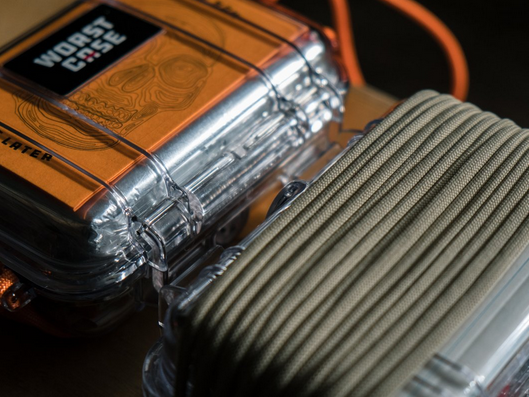
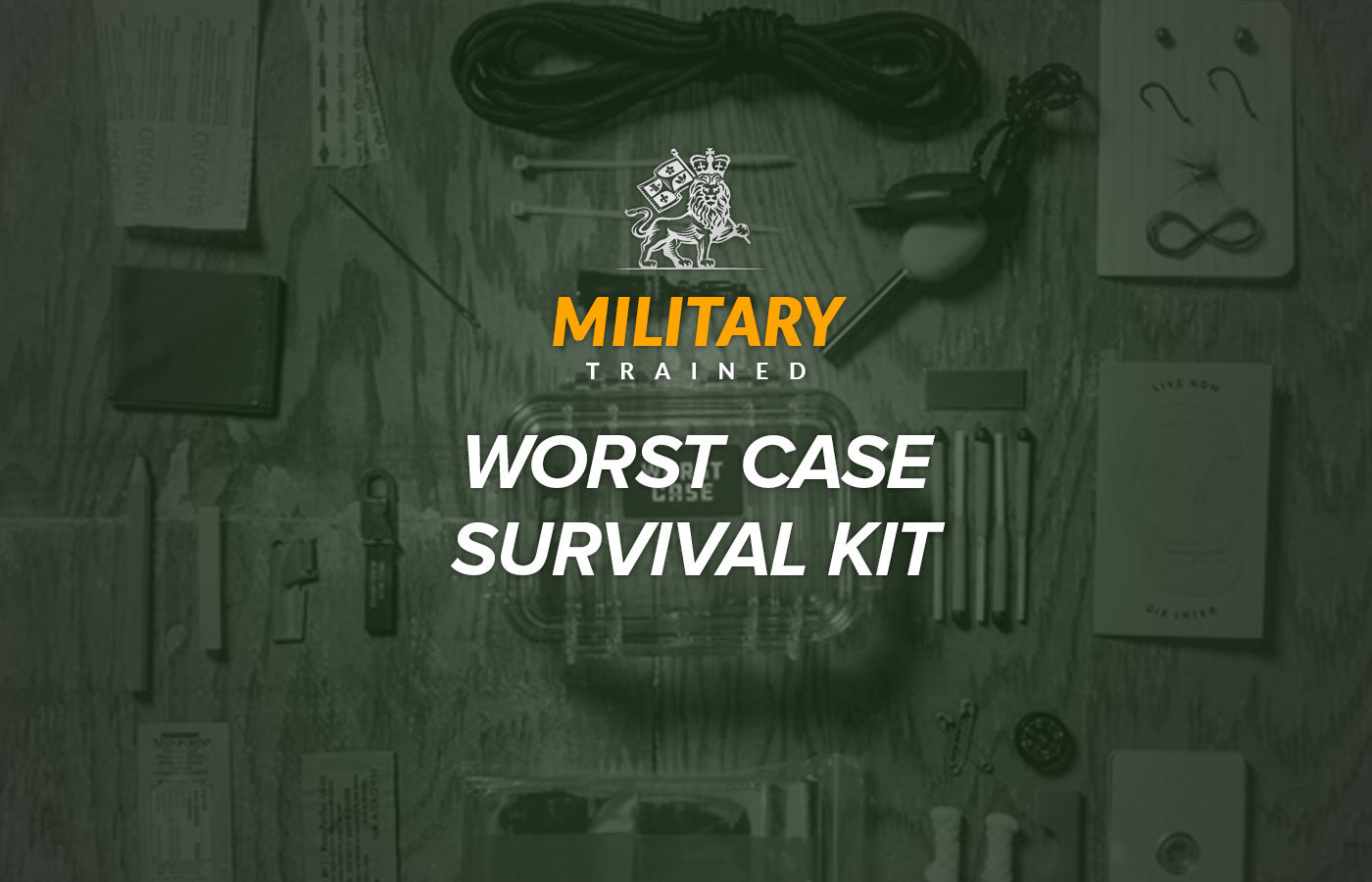
The original article described “The Worst Case Survival Kit,” a compact assortment in a Pelican-style case. Its historical contents and availability have not been confirmed for a current product version. Treat the older images below as illustrations, not a verified shopping specification or guarantee.
Useful Categories to Check
- Light and signaling: a working light, whistle, and signal mirror you know how to use.
- Minor first aid: intact dressings and supplies appropriate to your needs.
- Navigation: a local map and a compass you can use; a tiny compass alone is not a route plan.
- Repair: tape, cord, and permitted tools for realistic tasks.
- Weather protection: a backup cover, with adequate insulation and a safe destination planned separately.
Check every item’s actual size, condition, expiration date, and instructions. A waterproof case protects only when its seal and closure are sound and it is used within its rating. Do not infer that its contents can survive unlimited heat, cold, or immersion.
What a Pocket Kit Does Not Solve
A filter or disinfectant does not make every water source safe. Carry safe water and follow CDC treatment guidance and local advisories. A fishing kit is not a reliable food supply. A fire starter may be unusable or prohibited where you travel; never rely on fire as your only way to stay warm.
A small first-aid pouch cannot treat every injury. Take appropriate training and have an evacuation and communication plan. An emergency blanket cannot guarantee a safe night outdoors. Build the rest of the kit around your climate, health, route, and likely delays.
Check Travel Rules Item by Item
Do not assume a survival kit is “TSA-safe.” Blades, saws, fuel, ignition tools, batteries, and liquids may have different carry-on and checked-baggage restrictions. Check the TSA’s current item guidance and your airline’s rules before travel. A seller’s claim is not a guarantee of checkpoint acceptance.
Build the Larger Plan First
Start with the 72-hour emergency kit checklist. Add a pocket kit only for gaps it realistically fills. Test the equipment, replace used supplies, and leave your route and expected return with someone when traveling away from routine help.
Historical Product Images