Preparing a Tactical First Aid Kit: Essentials and Customizations
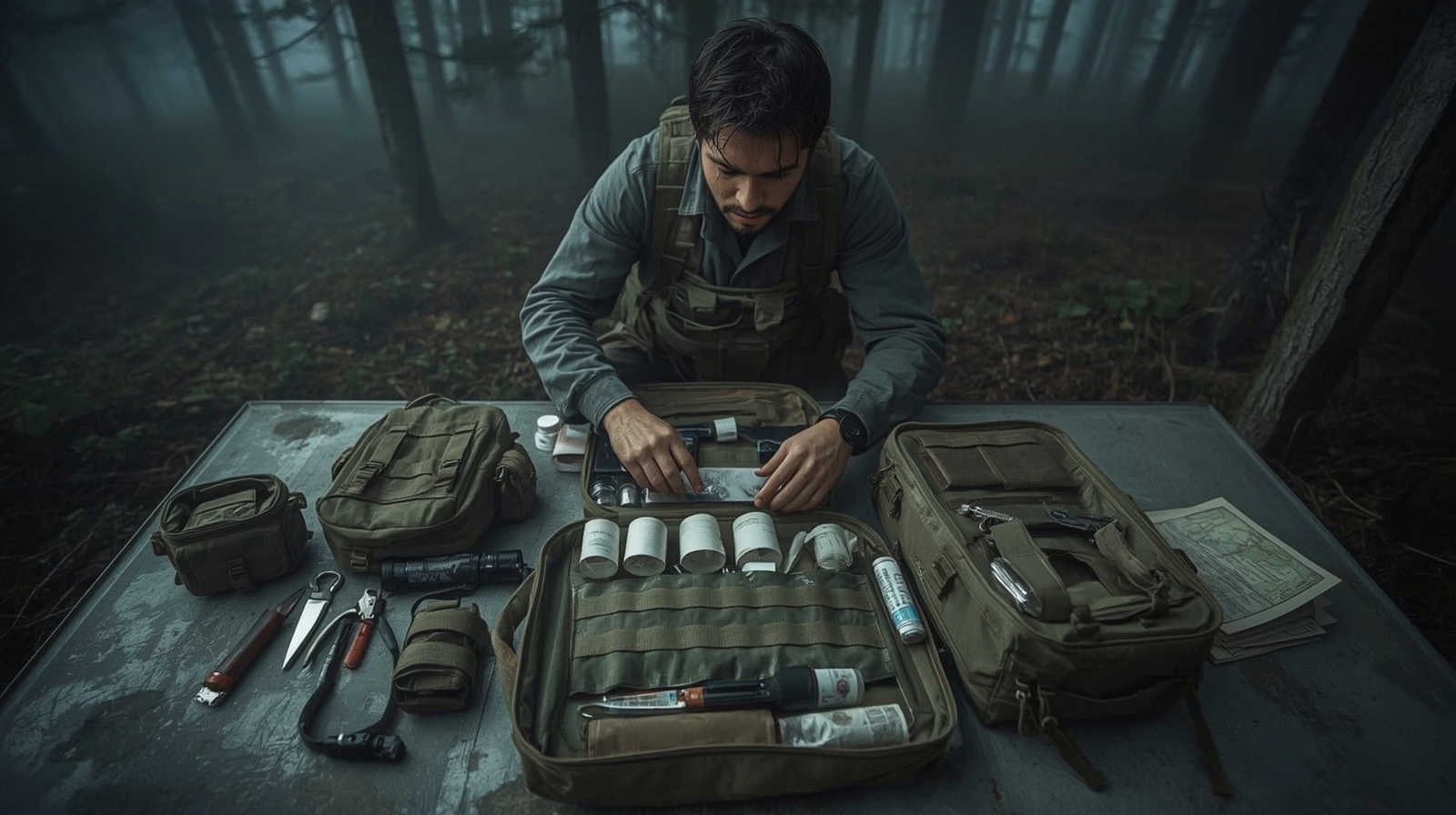
The Foundation of Your Tactical First Aid Kit
Essential Items for Every Kit
Every tactical first aid kit should start with the basics. These items address common injuries and situations you might encounter in the field:
Related Articles:
- Adhesive bandages of various sizes
- Antiseptic wipes
- Antibiotic ointment
- Gauze pads
- Medical tape
- Pain relief medication
Choose supplies you know how to use and inspect sterile packaging and expiration dates. Small wounds need appropriate cleaning and protection; deep wounds, spreading redness, fever, or worsening pain need medical assessment. A kit supports first aid, not definitive treatment.
Customizing for Personal Needs
While the foundational items are essential, personalizing your kit is crucial. Consider your personal medical history or specific activity risks. For example:
- Include prescribed epinephrine for anaphylaxis and follow the person’s emergency action plan. Antihistamines are not a substitute for epinephrine in a severe allergic reaction. Call 911 for suspected anaphylaxis.
- Add waterproof bandages and ointment if your adventure involves water.
This customization ensures your kit is tailored to your unique needs and the specific scenarios you might face.
Importance of Quality and Durability
When selecting items for your first aid kit, opt for medical-grade supplies. Ensure tools like scissors and tweezers are made from durable materials. Regularly check your kit, as recommended by the Red Cross, replacing any used or expired items. This guarantees your kit’s functionality and readiness for emergencies.
Understanding Trauma Supplies
Basic Trauma Management Items
For severe injuries, include items capable of managing trauma:
- A tourniquet for controlling severe bleeding
- Specialized chest-wound supplies only within your training; an open chest wound requires emergency medical help
- A pressure dressing
Understanding how to use these items is crucial, so consider taking a basic first aid or trauma management course. Resources like the American Heart Association offer classes to prepare you to use these life-saving tools effectively.
The Role of Hemostatic Agents
Hemostatic gauze can be a useful addition for someone trained in bleeding control. It does not make every wound suitable for packing. Follow Red Cross severe-bleeding guidance and take a Stop the Bleed course before relying on specialized equipment.
Compactness and Accessibility
Ensure trauma supplies are compact and accessible. Organize your kit to prioritize the accessibility of these items. Use clear, waterproof bags to separate and label items, ensuring everything has its place and can be found quickly.
Special Considerations for Environmental Challenges
Adapting to Weather and Terrain
Your first aid kit should adapt to the environment you’ll be entering. For cold climates, include items to prevent hypothermia like emergency blankets or heat packs. In hot climates, consider electrolyte tablets and sunburn relief. Tailoring your kit to the weather and terrain ensures effectiveness and preparedness for specific challenges.
Dealing with Water and Moisture
Keep dressings and other supplies dry in intact packaging inside a protective pouch. Water-treatment products belong in the broader emergency kit and have limits: follow the label and local advisories, and do not assume tablets remove chemical contamination.
The Importance of Navigation and Communication Tools
Including basic navigation and communication tools can enhance your safety. A compass, map, and whistle for signaling can be lifesavers if you become disoriented or lost. These items, while not addressing medical needs directly, prevent situations where extensive first aid might be necessary.
Advanced Wound Care Techniques
Managing Deep Cuts and Lacerations
For deep cuts or lacerations, follow these steps:
- For serious bleeding, call 911 and apply firm direct pressure with gauze or a clean cloth before attempting to clean the wound.
- Use gloves if available. For life-threatening limb bleeding, use a commercial tourniquet if trained, following its instructions.
- Use wound packing only when appropriate and within your training. Do not put antiseptic wipes deep into a wound or wrap tape so tightly that it cuts off circulation.
Deep wounds might require stitches, so seek medical attention as soon as possible.
Dealing with Burns
For a thermal burn, cool the affected area promptly with clean, cool running water for 5-20 minutes, keeping the rest of the person warm. Do not apply ice directly. Cover loosely with a clean, nonstick dressing. Call 911 for serious burns, breathing difficulty, or smoke inhalation. Chemical and electrical injuries need specific assessment; avoid exposing yourself and follow emergency or poison-control instructions. See Red Cross burn guidance.
Splinting Broken Bones
Keep a suspected fracture still in the position found and seek medical help. Do not straighten it or push exposed bone back in. Splint only if trained and it is necessary for safe movement; monitor circulation. Avoid moving someone with a suspected spinal injury unless needed for immediate safety or lifesaving care.
Emergency Response Strategies
Prioritizing Injuries
Make sure the scene is safe, call 911, and follow dispatcher instructions. Check responsiveness, normal breathing, and life-threatening bleeding. If someone is unresponsive and not breathing normally, start CPR and use an AED according to training or dispatcher guidance. Take a current first aid/CPR course rather than relying on a simplified acronym.
Creating an Evacuation Plan
Having an evacuation plan is vital. Determine the fastest, safest route to medical help before your journey. If someone is severely injured and cannot move, signal for help with a whistle and a mirror. Knowing the location of the nearest ranger station or emergency services can reduce response time during a crisis.
Handling Shock
Suspected shock is an emergency: call 911, address severe bleeding, and keep the person warm and monitored. Help them lie down if tolerated, but do not routinely elevate injured legs or force a position that worsens breathing. Do not give food or drink. Follow dispatcher instructions and current AHA/Red Cross first-aid guidance.
Tailoring Your Kit for Group Needs
Assessing Group Medical Needs
When preparing a first aid kit for a group, consider each member’s specific needs. Stock your kit with necessary items like extra epinephrine injectors or glucose gels, ensuring there’s enough basic supplies for the group size.
Training and Education
Organize a training session before your trip, focusing on common scenarios and basic first aid knowledge. Certification courses offered by organizations like the American Red Cross can empower everyone to act confidently in an emergency.
Communication Plan
Ensure your group has a solid communication plan. Designate meeting points and ensure everyone has a way to call for help. Keeping lines of communication open can prevent emergencies and ensure a quick response when needed.
Advanced Environmental Protection Techniques
Protecting Your First Aid Kit from Extreme Temperatures
Store medicines and supplies within their labeled temperature limits. An insulated pouch only delays temperature changes; it does not guarantee safe storage in a hot or freezing vehicle. Ask a pharmacist about temperature-sensitive medication and replacement after a suspected excursion.
Waterproofing Beyond the Basics
For electronic items like digital thermometers or flashlights, consider double bagging or using vacuum-sealed bags. Adding silica gel packets can protect sensitive items from humidity and condensation.
Adapting to Altitude Changes
Before high-altitude travel, discuss prevention and any prescription medication with a clinician. Learn the warning signs and descent plan; do not use medication to justify continuing upward with worsening symptoms.
Expert Tips for Kit Maintenance and Upkeep
Regularly Rotate Supplies
Set a schedule to review and rotate out expired items, ensuring your kit is stocked with effective, safe-to-use supplies. This is crucial for medications and sterile items.
Practice Makes Perfect
Familiarize yourself and your group with each item in the kit through formal training sessions or informal workshops. Hands-on practice with items like tourniquets and splints can turn knowledge into instinctive action.
Kit Customization and Feedback
Evaluate the effectiveness of your kit after each use. Adjust the contents based on your experiences and feedback from group members. This iterative process ensures your kit evolves to meet changing needs.
Putting It All Together
The Importance of Continuous Learning
Stay informed on new techniques, products, and best practices in first aid and emergency response. Engage with communities and organizations like the American Red Cross for ongoing education.
Next Steps and Action Items
Assess your current first aid kit, identify gaps, and consider enrolling in new training courses. Engage with a community of like-minded individuals to maintain and enhance your tactical first aid capabilities.