Off-Grid Communication: Establishing Contact Without Conventional Means
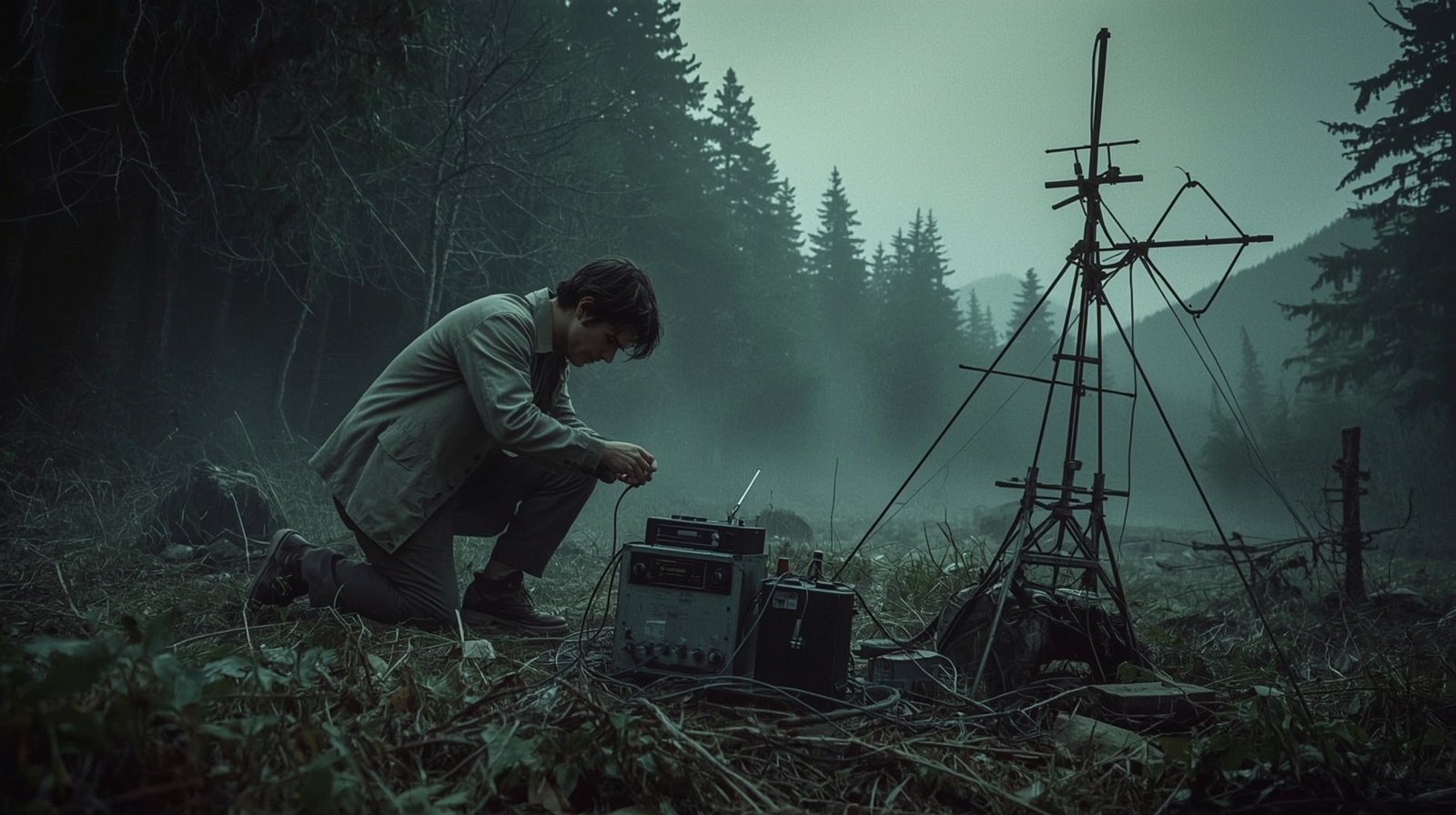
Exploring the Basics of Off-Grid Communication
Understanding Two-Way Radios
Two-way radios, also known as walkie-talkies, are a reliable method for off-grid communication. They operate on specific frequencies and can be used for direct communication within a certain range without a cellular network. The key advantages include:
Related Articles:
- Simplicity
- Durability
- Functionality in remote areas
However, their range can be limited by geography and weather conditions. This makes them ideal for short to medium-distance communication in outdoor settings.
The Role of Satellite Phones
Satellite phones and messengers can help beyond cellular coverage, but service depends on the network, coverage area, device, active plan, sky view, and local restrictions. Buildings, terrain, and vegetation can obstruct signals. Verify the provider’s current coverage and test the device before relying on it.
Signaling Devices: Flares, Mirrors, and More
In true emergency situations where electronic communication might fail, traditional signaling devices such as flares, mirrors, and high-powered flashlights can be lifesavers. These tools:
- Do not allow for two-way communication
- Can alert rescuers to your location
Effective signaling requires knowledge and practice, as it can mean the difference between being found and being overlooked.
Key Factors to Consider
Range and Coverage Area
Match equipment to the route and the people you need to reach. Advertised handheld-radio ranges usually assume favorable conditions; urban buildings or terrain may reduce range sharply. Satellite coverage is network-specific, not automatically global.
Durability and Reliability
Devices need to withstand rough handling and extreme conditions. Look for features like:
- Waterproofing
- Shockproofing
- Dustproofing
Reliability also means a long battery life and easy access to power sources, such as solar charging capabilities.
Cost Considerations
Cost is a significant factor, from the initial purchase to ongoing service fees. Two-way radios are generally more affordable and don’t require a subscription, while satellite phone costs can quickly add up. Evaluating your budget against your communication needs is essential.
Preparing for Effective Off-Grid Communication
Choosing the Right Equipment
Selecting the right communication equipment depends on your specific needs. Consider the environment, the distance over which you need to communicate, and the level of reliability required. For example, two-way radios might suffice for a remote hiking trail, while a satellite phone would be better for sailing around the world.
Developing a Communication Plan
A solid communication plan is crucial. It should include:
- Establishing check-in times
- Understanding the capabilities and limitations of your devices
- Ensuring everyone knows how to use the equipment effectively
A plan reduces confusion but cannot guarantee help. Leave your route, expected return, and overdue-response instructions with a trusted contact. Distinguish receiving news from requesting rescue: an AM/FM/NOAA receiver cannot transmit an SOS.
Training and Practice
Familiarity with your communication devices before heading off-grid is vital. Practice using them in various conditions to understand their range, battery life, and features. Training on signaling devices is also critical, as using them correctly can significantly increase your chances of being found in an emergency.
Maximizing the Use of Two-Way Radios
Choosing the Right Frequency
In the US, choose a lawful radio service before choosing equipment. Certified FRS radios are license-free; GMRS operation requires an FCC license, including on shared FRS/GMRS channels. Amateur transmission generally requires the appropriate amateur license. A programmable radio is not automatically legal on every frequency it can reach. See the FCC’s FRS and GMRS guidance.
Enhancing Range with Repeaters
Repeaters can extend range on services that permit them, such as properly licensed GMRS or amateur radio. FRS does not permit repeater operation. Obtain the operator’s permission where required, check compatibility, and plan for repeaters losing power or becoming unavailable.
Effective Channel Management
Agree on a primary channel, backup, and check-in times. Listen before transmitting and avoid interference. FRS/GMRS channels are shared, and so-called privacy codes do not encrypt speech. Do not assume an emergency channel is monitored by rescuers.
Satellite Communication Strategies
Choosing the Right Plan
When considering a satellite phone, research the available service plans carefully. Some plans offer global coverage while others are regional. Think about how often you’ll use the phone and for what purposes to select a plan that balances cost with your communication needs.
Optimizing Battery Life
Several strategies can extend the battery life of satellite phones:
- Limit data usage
- Reduce screen brightness
- Turn off the phone when not in use
Carry sufficient tested power for the trip and expected delays. Solar charging depends on sunlight, placement, and panel output; spare batteries can also fail or be depleted. No power accessory guarantees continuous communication.
Emergency Protocols
Establish emergency protocols, including how to operate the satellite phone, whom to call in different scenarios, and what information to relay. Pre-programming important contact numbers and keeping a written copy can save valuable time during emergencies.
Implementing Effective Signaling Techniques
Visual Signaling Methods
Mastering visual signaling methods can be crucial for rescue operations. Techniques include:
- Using mirrors to reflect sunlight
- Using a flashlight or high-visibility panel; avoid signal fires or flares that could ignite vegetation
- Using brightly colored fabrics or tarps to make large ground symbols visible from the air
These techniques require no power and can be effective even when technology fails.
Audible Signaling Devices
A whistle or other audible signal may attract someone nearby, but wind, terrain, noise, and distance limit its effectiveness. Pair it with a trip plan and an appropriate way to request rescue; it is not fail-safe.
Combining Methods for Maximum Effect
In an emergency, combining visual and audible signals can significantly increase your chances of being found. Practice these techniques before heading out to ensure you’re prepared for any situation.
Advanced Off-Grid Communication Techniques
Leveraging Digital Modes in Radio Communication
Specialist amateur-radio modes require suitable equipment, licensing, and practice. FT8 uses short structured exchanges; it is not a general emergency chat or detailed distress-messaging system. Morse code and digital modes have different purposes. A beginner emergency plan should not depend on an unfamiliar mode or assume someone is listening.
Implementing Mesh Networks
Mesh networks require compatible devices and enough reachable nodes. Capabilities depend on the system: some low-bandwidth radios support short texts but not voice or ordinary file sharing. Test the actual hardware and route, and do not assume a mesh has an internet connection or a monitored rescue gateway.
Utilizing Amateur Radio Satellites
Licensed amateur operators can use suitable amateur satellites with compatible equipment and appropriate operating privileges. Pass times and footprints limit availability; this is a specialist activity, not an always-available emergency service or guaranteed worldwide contact.
Troubleshooting Common Off-Grid Communication Issues
Power Supply Problems
Ensuring a reliable power source for your devices is a common challenge. Solutions include:
- Solar chargers
- Hand-crank generators
- Battery packs
Having multiple power backup options and regularly testing them is crucial.
Signal Interference and Obstructions
Signal interference can impact the effectiveness of your communication devices. Positioning yourself on higher ground can improve radio signal range, while being aware of the sunspot cycle can inform your use of HF radio frequencies.
Device Failure and Maintenance
Regular maintenance of your communication devices is essential. This includes physical inspection, software updates, and testing in various conditions. Keep a repair kit and spare parts handy, and learn basic troubleshooting and repair skills.
Final Reflections and Next Steps
Embracing Continuous Learning
The field of off-grid communication is constantly evolving. Staying informed about the latest advancements and experimenting with new methods can enhance your communication capabilities. Joining online forums, attending workshops, and connecting with experienced off-grid communicators can provide valuable insights.
Building a Community Network
The strength of off-grid communication lies in the people using it. Building a network of reliable contacts who share your interest can provide support, advice, and emergency assistance. Whether through local clubs, online communities, or informal groups, fostering these connections can make your off-grid adventures safer and more enjoyable.
As you continue to explore off-grid communication, remember that preparation, practice, and adaptability are key. The tools and techniques discussed are just the starting point. Your experiences will guide you toward the most effective strategies for your needs.
Distress Beacons Are Different from Messaging Devices
A 406MHz personal locator beacon is for distress alerts to rescue authorities, not routine family check-ins. Register a US-coded beacon with NOAA, keep its details current, and follow the manufacturer’s test and activation instructions. Satellite messengers may offer two-way texts and SOS services under their own plans. No device guarantees an immediate rescue.