Wilderness Water Storage and Transport: Keeping Water Clean, Preventing Freezing, and Avoiding Container Contamination
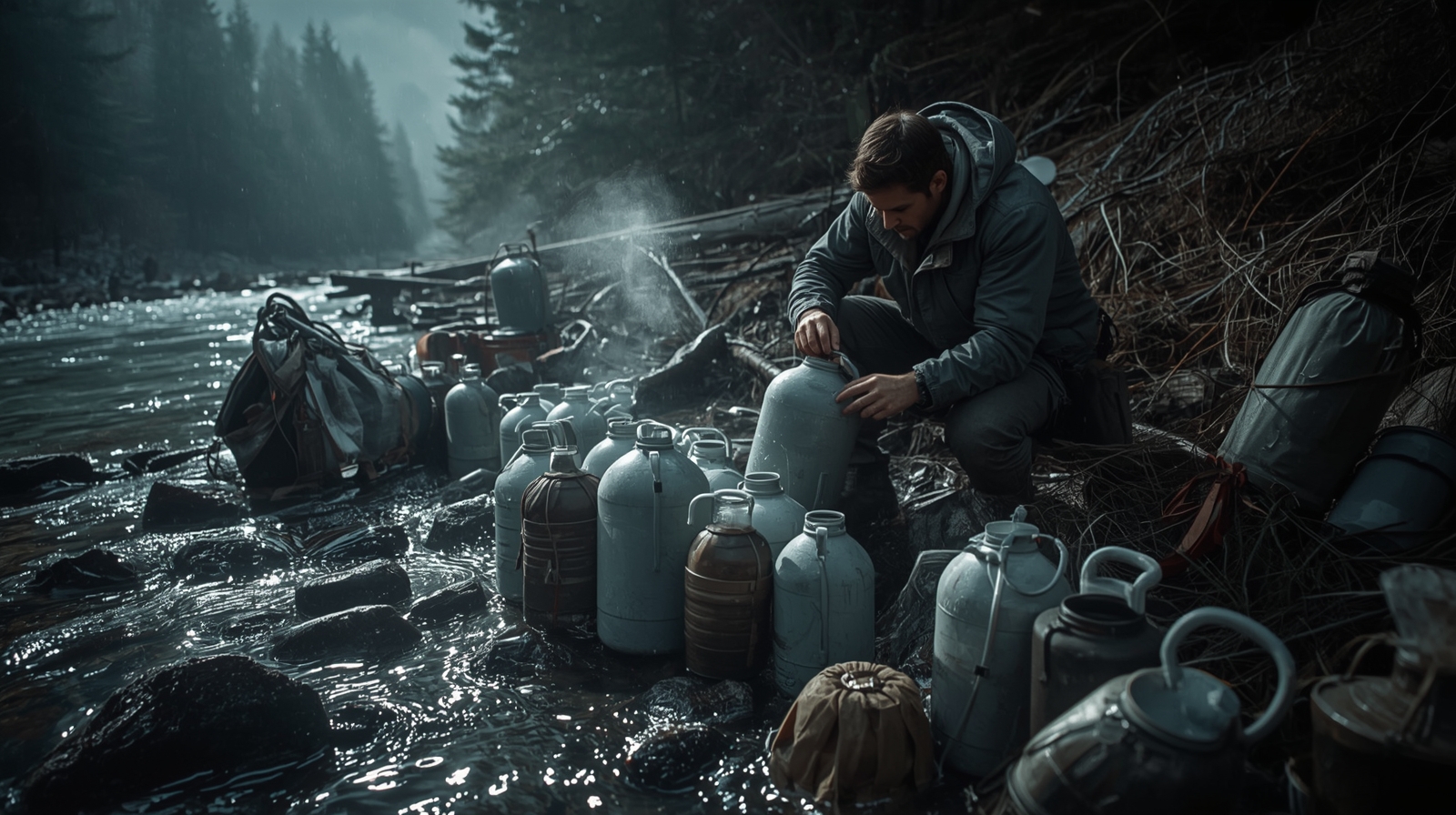
Why Wilderness Water Storage and Transport Fails in Real Life
Water problems in the backcountry usually do not come from a lack of gear. They come from small process mistakes that compound over hours and days. You can do a perfect filter or chemical treatment at the creek and still get sick later if your storage and transport habits reintroduce microbes.
Related Articles:
The goal is to build a system where your clean water stays clean from source to sip. Once you understand where things go wrong, fixing them becomes straightforward.
Re-contamination happens after treatment more than you think
Most backcountry contamination is a clean-side problem. The threads of a bottle touch a dirty hand, a filter outlet brushes the rim of a container, or a hydration bite valve lands in mud. Even a tiny amount of untreated water can seed bacteria growth in warm conditions.
Here are common real-world failure points:
- You fill a dirty bag, filter into a bottle, then top off without noticing drips from the dirty bag onto the bottle mouth.
- You set a clean lid on a rock near camp, then reuse it.
- You grab the bottle by the rim while eating or cooking, then drink again.
The fix is not complicated, but it does require consistency. Separate your dirty tools from your clean tools. Treat bottle mouths and caps as part of the clean system, not as neutral items.
Temperature and time turn minor mistakes into major problems
Microbes and biofilm build faster when water sits warm and still. A bottle carried against your back in summer heat is a better incubator than you might expect, especially if sugary drink mix residue is present.
Warmth also amplifies plastic taste. That often leads people to rinse less thoroughly and rely on flavored mixes, which increases residue and buildup.
If you will carry water for many hours, treat storage like food safety:
- Start with clean containers.
- Avoid cross-contact.
- Do quick sanitation when you can.
A simple habit that helps more than it should: keep caps off the ground. Also rinse bottle mouths occasionally, especially after messy meals or dusty miles.
Transport stresses gear in ways home use never does
Backcountry water containers get squeezed into packs, dropped onto rocks, left in direct sun, and handled with dirty gloves. That stress causes micro-scratches (more surface area for biofilm), deforms soft bottles (harder to clean), and loosens caps (leaks and dirt ingress).
Your transport plan should match your trip. A two-hour day hike can tolerate a simpler setup than a five-day trek or a winter overnight.
When your container choice, carrying method, and cleaning routine align, you stop fighting your system and start trusting it. Next, let’s talk about the containers themselves, because material and shape make a bigger difference than most people expect.
Choosing Containers That Won’t Contaminate Your Water
Picking a container is not just about capacity and weight. Materials influence taste, durability, freezing behavior, and how easily you can clean and inspect the inside.
You do not need a perfect container. You do need one that fits your workflow and tolerates the conditions you will put it through.
Plastic bottles: light, practical, but not all equal
For hard-sided plastics, the most common are:
- HDPE (often opaque, very durable)
- PET (typical disposable water and soda bottles)
- Tritan-style copolyesters (clear, rigid)
In general, HDPE resists cracking and handles freezing expansion better than brittle plastics. PET is light and cheap, but it dents and can degrade faster with repeated use.
Retire a bottle if you notice:
- Persistent odor
- Cloudiness you cannot scrub away
- Deep scratches
Those are signs biofilm is gaining a permanent foothold. Also avoid prolonged sun exposure for any plastic container. Heat accelerates taste issues and can increase chemical migration.
Stainless steel and aluminum: clean taste and strong walls
Stainless steel bottles are easy to clean thoroughly and resist odors. They also tolerate boiling water, which matters if you use heat-in-a-bottle warming techniques in cold weather.
They are heavier, but they are excellent for winter travel because they handle rough treatment and can be insulated with a sleeve. Wide-mouth stainless models are especially easy to scrub.
Aluminum can work if it has a robust liner. Over time, though, liners can scratch and degrade.
If you want metal for hard use and cleaning confidence, stainless steel is usually the safer bet.
Bladders and soft flasks: convenient, but cleaning is the tradeoff
Hydration bladders (often TPU) carry well and encourage sipping. The tradeoff is that hoses and bite valves add surfaces where biofilm can form.
They are also the first things to freeze in shoulder seasons and winter. Soft flasks are easier to clean than long-hose systems, but they still need regular drying and periodic deep cleaning.
Here is a practical comparison to help you choose:
| Container type | Best for | Pros | Cons | Cleaning difficulty |
|---|---|---|---|---|
| HDPE wide-mouth bottle | General backpacking, winter | Tough, tolerates freezing, easy to scrub | Bulkier, can hold odors | Low |
| PET disposable bottle | Ultralight, short trips | Very light, cheap, available | Dents, shorter lifespan, less heat tolerant | Low |
| Tritan rigid bottle | Daily use, moderate trips | Clear, rigid, good threads | Can scratch, taste if overheated | Low |
| Stainless steel wide-mouth | Winter, longevity | No odor, very cleanable, handles hot water | Heavy, can dent | Low |
| TPU bladder with hose | Hot weather, steady sipping | Comfortable carry, hands-free | Hard to clean, freezes easily | High |
| Soft flask | Running, fastpacking | Compact, fewer parts | Still needs drying, can retain taste | Medium |
With containers selected, the next step is protecting the clean side while you collect water. That workflow is what keeps your treatment efforts from being wasted.
Collecting Water Without Dirtying Your Clean Side
A reliable water system starts at the source, not after treatment. The best habit you can build is a clean-side/dirty-side workflow.
Think like a kitchen: raw ingredients stay separate from cooked food. Your untreated water is the raw ingredient.
Use a two-container workflow you can repeat under stress
Even if you only carry one main bottle, you can still build separation into your process. The simplest approach is:
- One clearly dirty container (bag or bottle used only for raw water)
- One clearly clean container (your drinking bottle)
The dirty container touches the source, mud, and wet rocks. The clean container never does.
If you use a squeeze filter, designate the squeeze bag as dirty and the receiving bottle as clean. Do not set the clean bottle cap on the ground.
If you must set it down, place it inside a pocket or hold it.
Quick reference: If a surface has touched untreated water, treat it as dirty until you clean it. That includes bottle threads, caps, and the outside of a filter outlet.
Reduce sediment before you treat to protect your gear
Sediment is not just a filter-clogging annoyance. It also carries organic material that supports microbial growth and makes containers harder to clean.
If the source is silty, let a scoop container sit for a minute. Then decant the clearer water into your dirty bag.
A simple bandana pre-filter can help, but remember it becomes a dirty item. Pack it separately and rinse it downstream.
If you routinely pre-filter, choose a dedicated cloth and treat it like a kitchen rag:
- Dry it when you can
- Give it sunlight when possible
- Wash it regularly
Collect smarter: where you dip matters
In moving water, collect from the main flow rather than stagnant edges. If you are at a lake, avoid the shallow, warm shoreline where algae and stirred-up sediment are common.
If you are melting snow, use clean snow from below the surface layer. Skip the windblown top, which can hold grit and debris.
These choices do not replace treatment, but they make everything downstream easier. Cleaner input water means less clogging, less residue in storage containers, and less temptation to cut corners when you are tired.
Once you have good collection habits, you can make smarter treatment decisions. Treatment and storage should support each other, not compete.
Treatment and Storage as One Integrated System
Water treatment is not a single step you do and forget. It has to match the container you store in, the time you will store it, and the conditions you expect.
A great filter paired with sloppy storage is not a great system. You want the treatment method to fit the reality of your day.
Filters, chemicals, UV, and boiling: how storage changes the decision
Filters are fast and improve taste, but the filter outlet and threads are contamination points. Chemical treatment (chlorine dioxide, iodine) works well for storage because the disinfectant continues working in the container during contact time.
UV is quick, but it requires clear water and does not provide ongoing residual protection.
Boiling is highly effective, but it is fuel-intensive and does not prevent re-contamination in the bottle. If you boil water, cool it in a clean pot and pour carefully into a clean container.
Do not use the same funnel you used for raw water unless it is disinfected.
For public health guidance on treating backcountry water, the CDC provides clear, method-based recommendations: CDC guidance on making water safe in the backcountry.
Pros and cons: choose based on your actual trip
When you are deciding, compare methods in the context of storage and transport.
Filter-based system
- Pros: fast, good taste, no waiting
- Cons: can freeze, needs clean-side discipline, clogs with sediment
Chemical disinfection
- Pros: lightweight, good for backup, continues disinfecting during storage
- Cons: requires contact time, taste issues for some people, less effective in very cold water unless you extend time
Boiling
- Pros: robust, no specialized gear required if you have a stove
- Cons: fuel cost, cooling time, does not protect against later contamination
A practical hybrid setup many experienced hikers use
A common and reliable approach is filter for daily use plus chemical tablets as backup and for longer storage.
You filter into your clean bottle for immediate drinking. If you are filling a large camp container for overnight use (or in hot weather), you can chemically treat after filtering to reduce risk from handling mistakes.
This hybrid approach also works well on group trips. One person can pump or squeeze-filter quickly while another manages clean bottles and caps.
The key is simple: define roles so clean hands stay clean.
Now let’s deal with what happens after day one. Multi-day trips add buildup, routines, and more opportunities for small mistakes.
Keeping Water Clean During Multi-Day Trips
Once you are out for multiple days, your water system faces a new enemy: buildup. Even if you never have a dramatic contamination event, small amounts of residue can turn into slime, odor, and questionable taste.
The good news is that small maintenance habits prevent most of it.
Label and physically separate clean and dirty items
You want a system you can follow when you are cold, tired, or in fading light. Use a simple marker or tape to label dirty bags and clean bottles.
Then store them in consistent locations:
- Dirty bag in an exterior pocket
- Clean bottle inside the pack, or in a different side pocket
If you share gear with partners, be explicit about what is clean. A surprisingly common mistake is someone grabbing the dirty bag to take a sip because it is the easiest thing to reach.
Prevent that with obvious labeling and a consistent storage location.
Prevent biofilm by cleaning the parts people forget
Biofilm forms fastest on textured surfaces and in tight areas:
- Bottle threads
- Cap liners
- Bite valves
- Quick-connect fittings
A bottle may look clean but still smell off because the cap is harboring bacteria. In camp, a quick rinse is not enough if you have been using drink mix.
Bring a tiny scrub option that matches your setup: a small bottle brush segment, a toothbrush head, or a clean cloth dedicated to the clean side.
If you use a bladder, periodically drain it fully. Then blow air through the hose to reduce standing water.
Store water like food: shaded, closed, and off the ground
In hot conditions, keep clean water shaded in camp. Heat speeds microbial growth and makes plastic taste stronger.
Also keep containers closed and upright to prevent dirt from getting into the mouthpiece. If you are storing water overnight, put it where you will not kick it over, step on it, or confuse it with dirty containers.
One practical trick is a dedicated clean-water corner in your shelter area. Your future self, waking up thirsty at 3 a.m., will appreciate the consistency.
With cleanliness handled, temperature becomes the next major threat. Freezing creates its own set of problems, especially for filters and hoses.
Preventing Freezing in Bottles, Bladders, and Filters
Freezing is a safety issue, not just a convenience problem. Frozen water means you cannot hydrate, and a frozen filter can be damaged internally without obvious signs.
Cold management is a set of habits more than a single trick. Build a routine and stick to it.
Insulate and place containers based on physics, not hope
Water freezes from the outside in, and moving cold air accelerates heat loss. Put bottles inside your pack near the center, rather than in an exterior mesh pocket.
Add insulation using what you already carry:
- A spare sock
- A foam sit pad
- An insulated bottle sleeve
Hydration bladders are harder because the hose freezes first. If you insist on a bladder in freezing temperatures, route the hose inside your jacket when possible.
After each sip, blow the water back into the bladder so the hose is mostly empty.
Use the sleeping-bag method correctly to avoid a frozen morning
At night, bring water inside your shelter. If temperatures are near or below freezing, put your next-morning water inside your sleeping bag or quilt.
Soft bottles work especially well because they mold to your body. If you use a hard bottle, wrap it in clothing so the cold surface does not chill you.
Turn bottles upside down overnight. Ice forms at the top surface first, so when you invert the bottle, the cap area is less likely to freeze shut.
This small habit can save you from wrestling with a frozen lid at dawn.
Protect your filter like critical medical gear
Most hollow-fiber filters can be damaged if they freeze after being wet. In freezing conditions, treat your filter like something fragile and important.
During the day, keep it in an inner pocket close to your body between uses. At night, put it in a sealed bag and sleep with it.
If you suspect your filter froze while wet, do not assume it is safe just because water still flows. Switch to a backup treatment method (for example, chemical disinfection or boiling) for the rest of the trip.