
Top 5 Lightweight Tents for Military and Survival Enthusiasts
When you’re deep in the wilderness, a reliable tent can mean the difference between a restful night and a sleepless struggle against the elements. As a military veteran with a passion for survival adventures, I’ve experienced firsthand the importance of a good tent. On a survival trek through the Appalachian Mountains, my lightweight tent not only provided me with shelter but also gave me peace of mind knowing I was prepared for anything the rugged environment could throw at me.
Related Articles:
Choosing the right tent can be overwhelming with so many options on the market. Whether you’re an active-duty soldier, a veteran, or simply an outdoor enthusiast, this guide will help you find the best lightweight tent to suit your needs. I’ve compiled a list of the top 5 tents, perfect for anyone with a love for the great outdoors.
ALPS Mountaineering Lynx 1-Person Tent
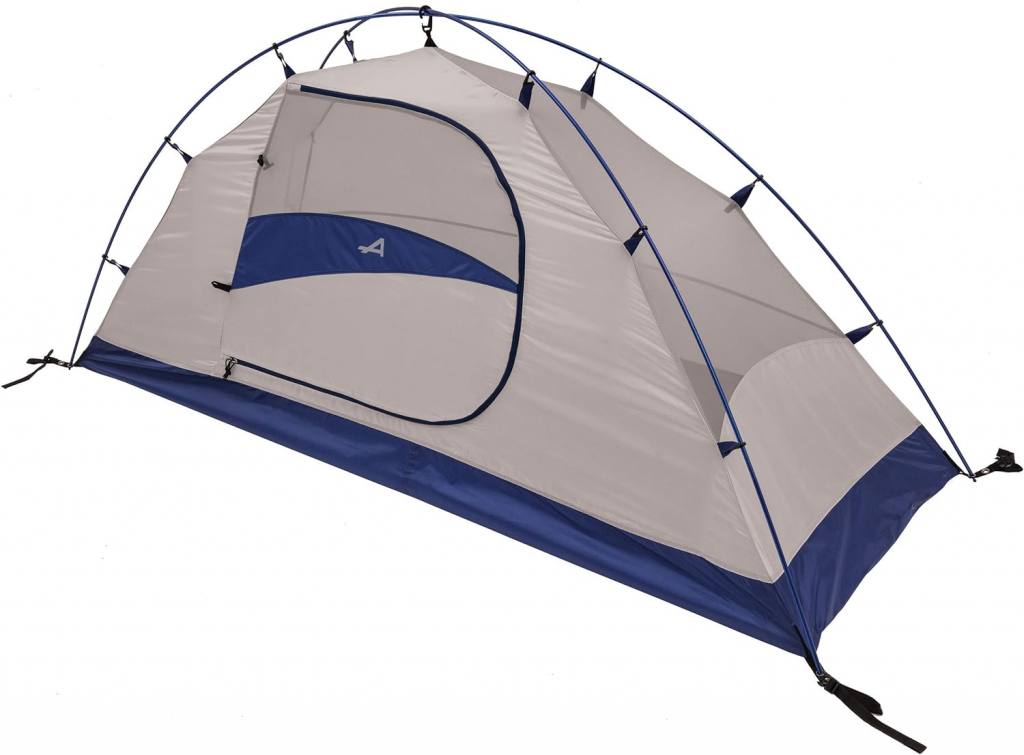
- Key Specs:
- Weight: 4 lbs 1 oz
- Dimensions: 7’6″ x 2’8″
- Material: 75D 185T Polyester
- Season: 3-season
- Reasons to Buy:
- Quick and easy setup, ideal for solo missions.
- Excellent ventilation thanks to the large mesh walls.
- Durable and weather-resistant with UV protection.
- Reasons to Avoid:
- Slightly heavier than other lightweight options.
- Limited space for gear storage inside the tent.
On a solo survival hike in the Smoky Mountains, this tent was my fortress. The weather turned sour, and I was hit with an unexpected rainstorm. The Lynx stood strong against the wind and kept me dry throughout the night, making it a reliable choice for those unpredictable mountain conditions.
MSR Hubba Hubba NX 2-Person Tent
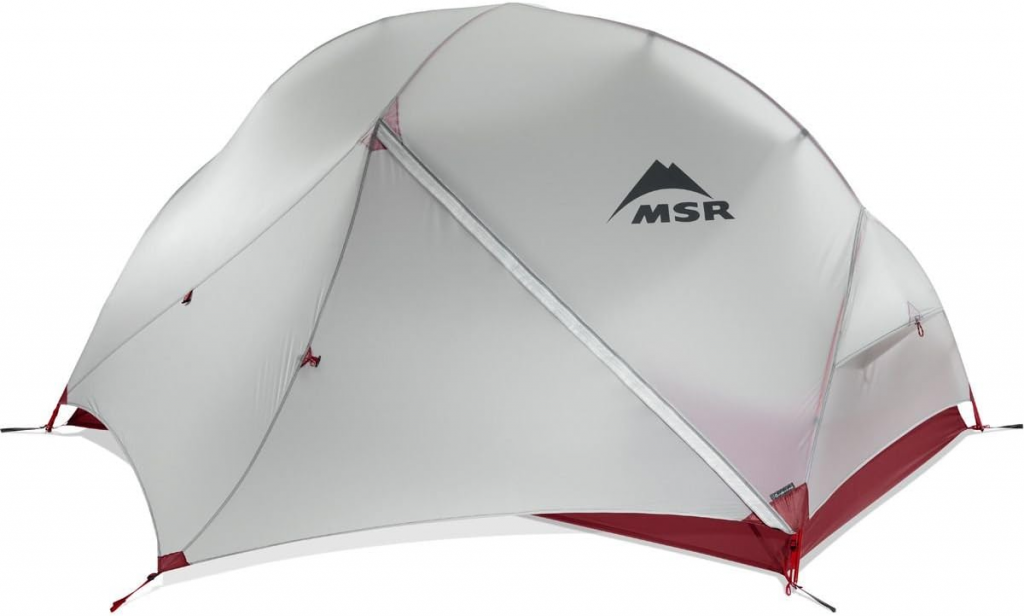
- Key Specs:
- Weight: 3 lbs 8 oz
- Dimensions: 7′ x 4’2″
- Material: 20D ripstop nylon
- Season: 3-season
- Reasons to Buy:
- Extremely lightweight, perfect for long treks.
- Spacious interior with a symmetrical design for more comfort.
- Great water resistance with a sturdy rainfly.
- Reasons to Avoid:
- Higher price point compared to other options.
- Not suitable for extremely cold or snowy conditions.
During a spring hike along the Pacific Crest Trail, the Hubba Hubba NX proved invaluable. The tent’s light weight made it easy to carry over long distances, and its spacious interior was a welcome refuge after a long day of trekking.
Snugpak Ionosphere 1-Person Tent
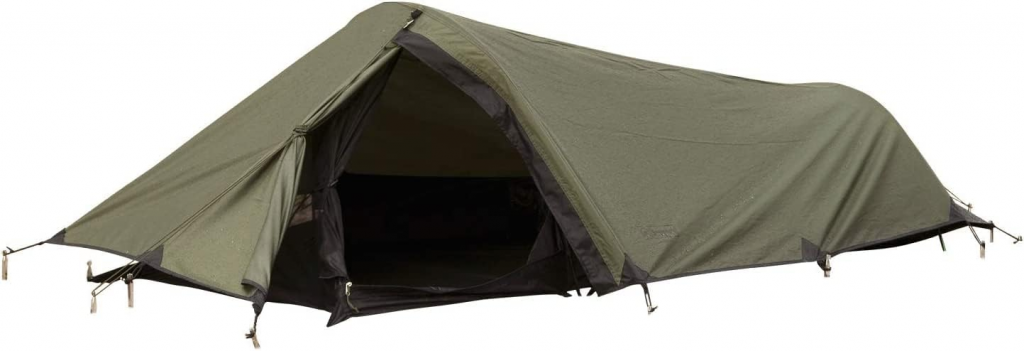
- Key Specs:
- Weight: 3 lbs 8 oz
- Dimensions: 8’8″ x 2’8″
- Material: 210T Ripstop Polyester
- Season: 4-season
- Reasons to Buy:
- Designed for military use, with a low-profile design for stealth.
- Extremely durable and capable of withstanding harsh conditions.
- Compact and easy to pack, perfect for tactical operations.
- Reasons to Avoid:
- Less headroom, making it a bit claustrophobic.
- Ventilation could be improved.
On a covert training exercise, the Snugpak Ionosphere was my go-to tent. Its low profile made it easy to set up in hidden locations, and it withstood a cold night in the mountains without issue. This tent is a top pick for those who value discretion and durability.
Kelty Salida 2-Person Tent
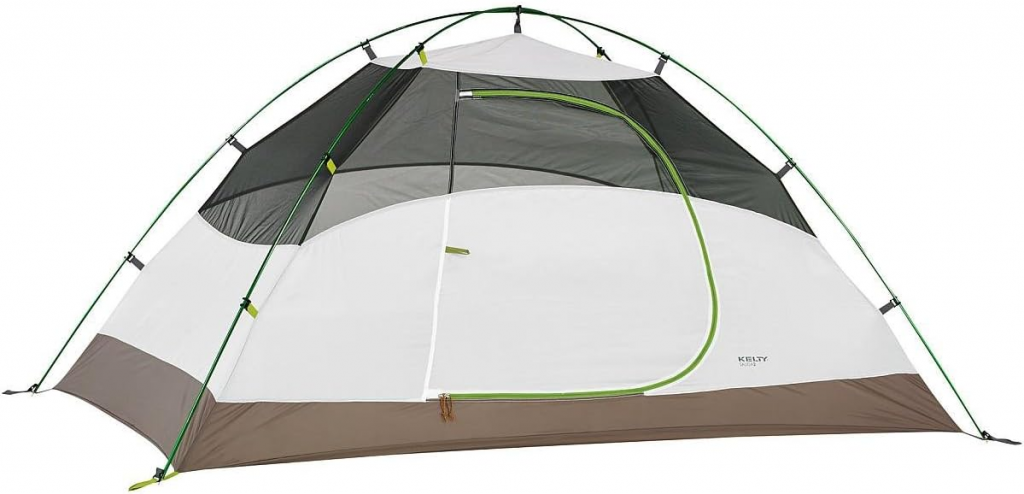
- Key Specs:
- Weight: 3 lbs 14 oz
- Dimensions: 7’5″ x 4’5″
- Material: 68D Polyester
- Season: 3-season
- Reasons to Buy:
- Excellent balance of weight, space, and durability.
- Easy setup with color-coded clips.
- Affordable without compromising on quality.
- Reasons to Avoid:
- Slightly bulkier when packed.
- Not designed for extreme weather conditions.
The Kelty Salida served me well on a summer camping trip in the Rockies. Despite its lightweight design, it provided ample space for both my gear and myself. The tent’s affordability is a major plus for those just getting into survival camping.
Big Agnes Copper Spur HV UL2 Tent
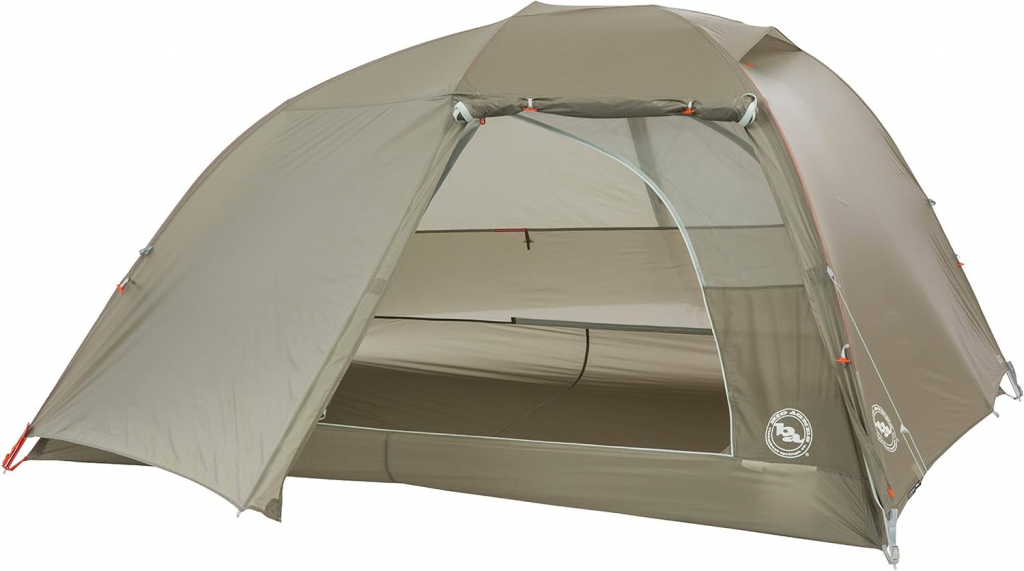
- Key Specs:
- Weight: 2 lbs 11 oz
- Dimensions: 7′ x 4’2″
- Material: Double ripstop nylon
- Season: 3-season
- Reasons to Buy:
- Ultralight design, perfect for long-distance hikers.
- High-volume design for extra living space.
- Durable with a solid reputation for quality.
- Reasons to Avoid:
- Expensive, may not fit all budgets.
- Thin material requires careful handling.
The Big Agnes Copper Spur was my shelter on a multi-day trek through the Utah desert. Its ultralight design made it easy to carry, and the extra living space was a luxury after long days on the trail. Despite its delicate materials, it held up well against the harsh desert environment.
Materials Used in Tents: Pros and Cons
Understanding the materials used in tent construction can help you make an informed decision when selecting a tent. Here are the top five materials commonly used:
1. Nylon
- Pros:
- Lightweight and easy to pack.
- Strong and durable, especially when ripstop is used.
- Water-resistant and often treated with coatings for extra protection.
- Cons:
- Can degrade with prolonged UV exposure.
- Less breathable, leading to condensation issues.
Why Nylon is Preferred: Nylon is a favorite among lightweight tents because of its strength and weight. When treated with coatings like silicone or polyurethane, it becomes highly water-resistant, making it a solid choice for most camping conditions.
2. Polyester
- Pros:
- UV resistant, doesn’t degrade as quickly as nylon.
- Generally more affordable than nylon.
- Good water resistance, often used in rainflies.
- Cons:
- Heavier than nylon.
- Less stretchy, which can lead to sagging over time.
Why Polyester is Used: Polyester is often used in budget-friendly tents and rainflies. Its resistance to UV light makes it ideal for long-term exposure to the sun, but its weight and lack of flexibility can be drawbacks for those looking for ultralight gear.
3. Dyneema (Cuben Fiber)
- Pros:
- Extremely lightweight and strong.
- Waterproof and doesn’t absorb water, reducing weight in wet conditions.
- High tensile strength, resistant to tears and punctures.
- Cons:
- Very expensive.
- Less flexible, which can lead to difficulties in packing.
Why Dyneema Stands Out: Dyneema is a premium material often used in high-end, ultralight tents. Its incredible strength-to-weight ratio makes it a top choice for serious backpackers and military personnel who need to minimize their load without sacrificing durability.
4. Ripstop Nylon
- Pros:
- Reinforced with thicker threads to prevent tearing.
- Lightweight and durable.
- Often treated for enhanced water resistance.
- Cons:
- More expensive than regular nylon.
- Can still suffer from UV degradation over time.
Why Ripstop Nylon is Preferred: Ripstop nylon is an upgraded version of standard nylon, providing extra durability without a significant weight increase. It’s ideal for those looking for a balance between weight and strength.
5. Canvas (Cotton)
- Pros:
- Extremely durable and long-lasting.
- Naturally breathable, reducing condensation.
- Excellent insulation, keeping warmth in during cold weather.
- Cons:
- Very heavy and bulky.
- Absorbs water, which can increase weight when wet.
Why Canvas is Sometimes Chosen: Canvas is a traditional material used in military tents. Its durability and insulation properties make it a good choice for stationary camps or base camps where weight isn’t a primary concern. However, for lightweight backpacking, it’s less practical.