Backcountry Food Safety Without Refrigeration: Clean Water Workflow, Cross-Contamination Control, and Safe Leftovers
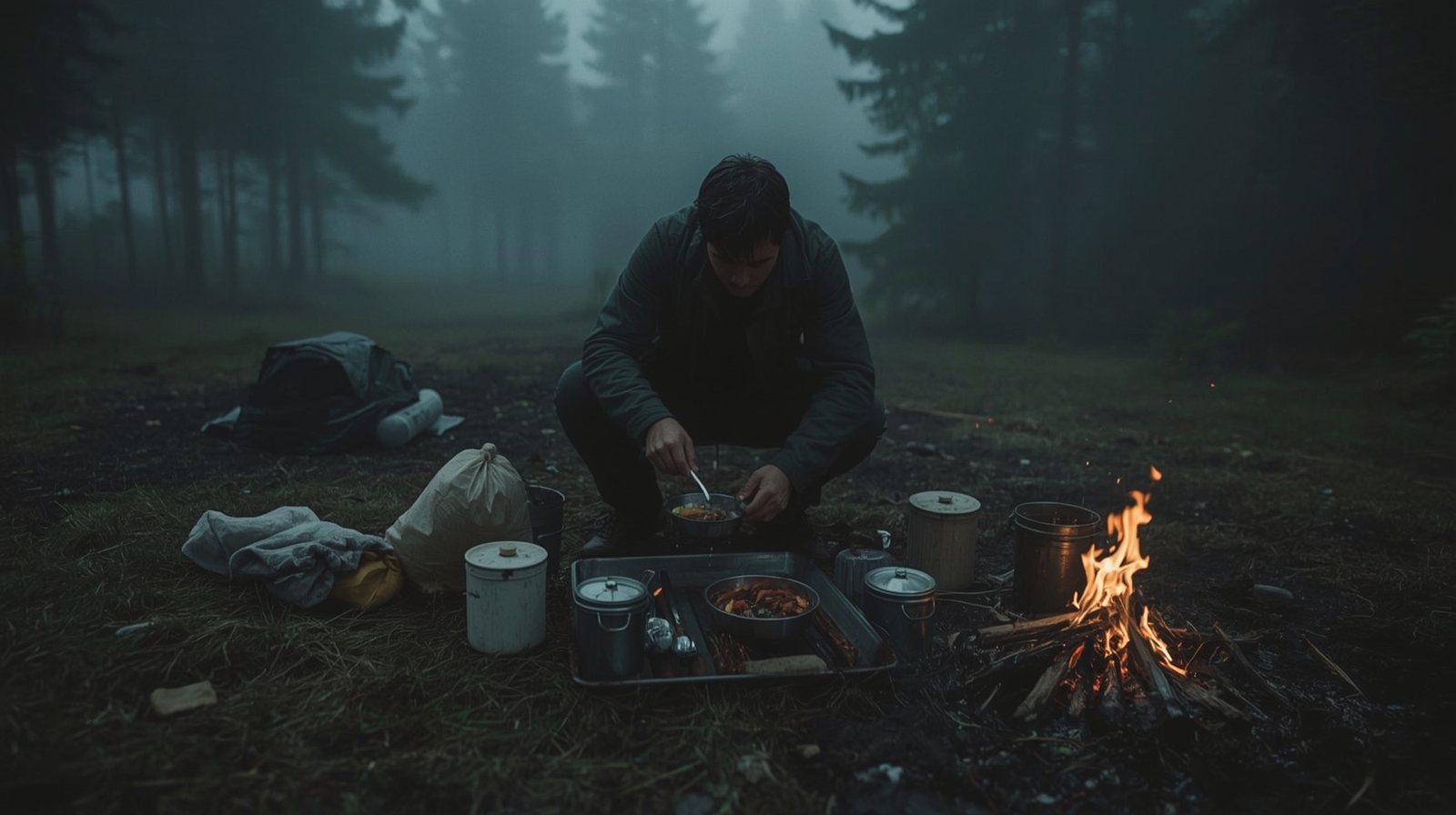
Food Safety Discipline When There’s No Fridge and No Backup
Backcountry food safety is mostly about systems, not heroics. In the military, you learn quickly that small lapses compound. One dirty canteen mouth or one knife used for raw meat and then for tortillas can turn a good trip into a dehydration problem.
Related Articles:
When refrigeration isn’t an option, your margin for error shrinks. The answer isn’t to fear food; it’s to run a simple routine you can repeat when you’re tired, wet, and your hands are numb. Think of it like a checklist you execute the same way every time.
Risk Management: The Backcountry Version of “Hygiene and Security”
In garrison, there are sinks, soap, and inspections. In the backcountry, you have limited water, uneven surfaces, and distractions like weather and fading light. That means your controls have to be lightweight, fast, and repeatable.
Your biggest hazards are:
- Contamination (germs getting onto food)
- Time/temperature abuse (food sitting warm for too long)
Most “mystery stomach bugs” on trail are really one of those two problems. Control your water, hands, surfaces, and leftover time, and you’ve handled the majority of the risk.
Know Your High-Risk Foods Before You Pack Them
Some foods are forgiving, and some are not. Dry meals, sealed bars, peanut butter, hard cheese, and cured meats can be reasonable choices when managed correctly. Raw poultry, creamy sauces, and pre-cooked rice held warm for hours are where people get hurt.
You don’t need to ban everything fun. You do need to match your menu to your ability to keep things clean and cool. If you plan to fish, for example, you’ll want a cross-contamination plan before the first cast-not after you’re hungry.
Build a Repeatable “Clean-Dirty” System
A workable system uses separation and sequence. You want clean gear (spoon, pot, mug) to stay clean, and you want “dirty” tasks (raw food, trash, wiping) to stay contained.
A simple rule that works: clean water and ready-to-eat foods never touch anything that has touched raw protein unless it has been washed and sanitized. That sounds strict until you realize it’s just a few habits:
- One dedicated knife routine
- One hand-cleaning routine
- One place you always set the clean items
The Three Non-Negotiables – Treat drinking water consistently (same steps every time). – Separate raw and ready-to-eat items by tools, hands, and surfaces. – Be ruthless with leftovers: if cooling and storage aren’t controlled, don’t save it.
The Temperature “Danger Zone” Without a Cooler
Refrigeration is basically time control. Without it, you’re managing time and temperature with planning, portioning, and smarter cooking choices. The goal is to keep food out of the bacterial growth “danger zone” as much as possible, and to limit how long risky food sits around.
The USDA explains the danger zone and why it matters for bacterial growth. It’s worth understanding even if you never carry a thermometer at home: USDA FSIS Temperature Danger Zone.
What Actually Goes Wrong on Trail
Common failure patterns look the same across trips. Someone cooks extra, leaves the pot covered by the fire ring “to eat later,” and it sits warm for hours. Or someone snacks while prepping dinner, touching wrappers and then touching shared food.
Warm, moist foods are the easiest for bacteria to exploit. Cooked pasta, rice, meats, and soups are all prime candidates. If you can’t cool it quickly and keep it cold, plan to eat it all.
Time Control: The Rule You Can Remember When You’re Tired
A practical backcountry rule is simple: cook what you’ll eat, and eat what you cook. If you intentionally create leftovers, do it only when you can manage rapid cooling and protected storage.
When the weather is hot, assume you have less time than you think. When it’s cool, don’t assume you’re safe either. Food can still sit in a lukewarm pocket of air inside a pot, especially with a lid on.
Portioning as a Safety Tool (Not Just a Convenience)
Portioning reduces exposure time. Instead of cooking a big pot and dipping in repeatedly, package meals as single servings. That cuts down on repeated utensil contact and minimizes the amount of food that can be mishandled.
A good pattern is “one pot, one boil, one serve.” Rehydrate meals in their own bags or in individual mugs when possible. The less shared food contact you have, the less you rely on perfect hygiene.
Clean Water Workflow From Source Selection to Safe Storage
If you get water wrong, everything else becomes harder. You can cook perfectly and still get sick if you rinse a spoon in contaminated water or top off a bottle that has a dirty mouthpiece.
The Centers for Disease Control and Prevention lays out practical backcountry treatment options and limitations here: CDC Backcountry Water Treatment.
Source Selection: Upstream, Moving, and Away From People
Start by choosing the best possible source. Moving water is generally preferable to stagnant pools. Collect upstream of camps, trails, and grazing areas when you can.
In real terms, you’re looking for the least “shared” water. If there’s a popular campsite 200 yards upstream, keep walking. If the only source is a lake, collect from a clearer, deeper edge rather than a shallow, silty inlet.
Treatment Methods Compared (Filters, Chemicals, UV, Boiling)
Every method has failure points. Filters can clog or freeze. Chemical treatment takes time and can be less effective in very cold water if you rush it.
UV requires clear water and charged batteries. Boiling works, but costs fuel. Use what you’ll execute correctly every time; the “best” method is the one you won’t skip.
| Method | Pros | Cons | Best Use Case |
|---|---|---|---|
| Hollow-fiber filter | Fast, improves taste, no wait | Can freeze-damage, needs backflush | Most 3-season trips with flowing sources |
| Chemical drops/tablets | Lightweight, simple | Requires wait time, taste, cold water slows action | Backup method, ultralight kits |
| UV purifier | Quick, no taste | Needs clear water and batteries | Clear alpine sources, short trips |
| Boiling | Reliable, straightforward | Fuel/time cost, doesn’t remove sediment | Stormproof backup, basecamp cooking |
Clean Containers: The Most Overlooked Part of “Clean Water”
Treatment doesn’t help if you store water in a contaminated bottle. Keep one bottle designated as “clean only.” Don’t dip the mouthpiece into the source, and don’t set caps in the dirt.
A strong habit is to treat into a “clean reservoir,” then pour into drinking bottles. If you’re using a filter, avoid letting unfiltered water drip onto the clean side threads. In the field, I treat bottle threads like they’re hands: if they’re dirty, they’ll contaminate whatever touches them.
Hand Hygiene and Camp Kitchen Layout That Actually Works
You don’t need a full camp table to cook cleanly. You need zones and a routine. In training environments, we’d set up work areas the same way to reduce mistakes under stress.
You can do the same with a sit pad, a rock, and a stuff sack. The point is to make “clean” the default, even when you’re distracted.
The Three-Zone Setup: Clean, Hot, and Dirty
Make three zones as soon as you stop for dinner:
- Clean: ready-to-eat items and clean utensils
- Hot: stove and pot area
- Dirty: trash, used wipes, and anything that touched raw food
A simple setup is a bandana or sit pad for the clean zone, stove in the middle, and a plastic bag (or bear can opening) as the dirty zone. Your spoon and tortillas should never end up next to raw packaging slime.
Field Handwashing When Water Is Limited
Soap and water are ideal, but you don’t always have them in quantity. Carry a small soap option and use it strategically:
- Before cooking
- After handling raw food
- After bathroom use
Hand sanitizer helps, but it’s not magic. It works best on hands that aren’t greasy or visibly dirty. If you’ve been handling fish slime or sausage fat, wipe first, then wash if possible, then sanitize.
A Practical “Before You Eat” Routine
Right before you eat, do a final reset. Hands get cleaned. Knife gets put away. Dirty packaging goes into a sealed trash bag.
If you’re sharing a meal, keep the serving spoon out of the pot between scoops. This is where most groups fail because everyone is hungry and reaching.
A clean system is simple: make one person the cook and the others the eaters. The cook touches the pot and stove. The eaters don’t touch shared utensils until food is served.
Checklist: Camp Kitchen Setup in 60 Seconds – Choose a flat spot away from latrine areas and runoff. – Lay down a clean surface (bandana/sit pad) for clean utensils. – Designate a trash corner (bag open, not on the ground). – Stage soap/sanitizer where you can reach it without rummaging. – Keep treated water separate from raw-prep water.
Cross-Contamination Control for Raw Meat, Fish, and Eggs
If you handle raw protein, assume everything it touches becomes contaminated until cleaned. That’s not paranoia; it’s a simple mental model that keeps you safe.
In the field, you’re often working with minimal light and uneven ground. Your system has to prevent “oops” moments, because you can’t afford a mistake when you’re miles from the trailhead.
Packaging Strategy: Prevent Leaks Before They Start
Most cross-contamination begins inside your food bag. Raw meat juice in a pack is a slow-motion disaster. Double-bag raw items in sturdy zip bags, then put them in a rigid container or separate stuff sack.
If you’re carrying eggs, hard-sided containers matter. Better yet, consider powdered eggs for longer trips. If you do bring fresh eggs, keep them isolated from ready-to-eat foods and plan to eat them early.
Dedicated Tools and a “No Double-Dip” Rule
You don’t need two knives if you can manage sequence. Prep vegetables and ready-to-eat items first, then raw protein last. Once the knife touches raw meat, it does not touch anything else until it’s washed.
The same goes for your hands. If you season raw meat, don’t reach into the spice bag with the same fingers. Instead:
- Pour spices into a clean palm, or
- Shake from a bottle without touching the opening, or
- Pre-mix seasonings at home into single-use packets
This one habit prevents a whole chain of contamination.
Real-World Example: Cleaning Up After Trout
Let’s say you catch a trout and want it for dinner. Set up a dirty zone downwind and downhill. Use a dedicated “fish bag” for guts and scraps, and keep it away from your cook area.
Rinse the fish with treated water only if you must, and avoid splashing. Clean the knife immediately after filleting, and wipe down your hands before touching your stove controls.
If you skip these steps, you end up contaminating fuel canisters, pot handles, and the next meal’s packaging. That’s how people get sick on day three and blame “bad water” when it was really their hands.
Cooking Temperatures and Backcountry Thermometer Tactics
On trail, most people either overcook everything into leather or undercook it because they’re rushing. A small thermometer can remove the guesswork. Even without one, you can cook safely if you use simple methods and don’t cut corners.
This section ties directly into the next one: the safer your cooking, the less you’re tempted to “save it for later” because you’re worried it wasn’t done.
Temperature Targets You Should Actually Remember
You don’t need a full chart memorized, but you should know the basics. Poultry needs higher internal temps than whole cuts of red meat, and ground meats need thorough cooking because surface bacteria gets mixed throughout.
In the backcountry, the safer approach is to favor foods that are easy to cook thoroughly:
- Thin cuts that heat evenly
- Pre-cooked proteins that only need reheating
- Shelf-stable proteins in sealed pouches
If you’re cooking chicken, consider leaving it at home unless you’re eating it the first night and keeping it cold.
One-Pot Cooking Without Undercooked Pockets
The risk with one-pot meals is uneven heating. Thick stews can be hot around the edges and lukewarm in the middle. Stir aggressively and bring foods to a true boil where appropriate.
If you add ingredients at different times, add the high-risk items early so they spend more time at heat. For example, if you’re using shelf-stable sausage, slice it and simmer it before adding quick-cooking noodles.
Thermometer Pros and Cons (And When It’s Worth It)
A small, fast-read thermometer adds a few ounces, but it can prevent days of misery. If you’re cooking for a group, handling fresh fish regularly, or bringing raw meat, it’s worth serious consideration.
- Pros: confidence, consistency, fewer “is it done” guesses
- Cons: another item to lose or break, and it doesn’t replace hygiene
If you do carry one, keep it clean, store it in a small bag, and sanitize the probe after use.
No-Fridge Menu Planning and Packaging That Stays Safe
Your safest backcountry meals are the ones that don’t require you to “manage” them. Shelf-stable food is not boring if you plan it like you mean it.
When you remove refrigeration, you also remove the ability to “save it for later.” That means you should plan portions you’ll actually eat and build meals that don’t require lots of handling.
Choose Foods That Fail Gracefully
Dry foods, sealed pouches, dehydrated meals, and nut butters are forgiving. Hard cheeses and cured meats can work, but they’re still perishable once opened and handled, especially in heat.
If you want variety, think in modules:
- Base: instant rice, couscous, ramen
- Protein: pouch chicken/tuna, dehydrated beans
- Fat/flavor: olive oil packet, spice mix
This gives you real meals without relying on raw ingredients.
Packaging for Safety: Single-Serve and Hands-Off
Single-serve packaging reduces shared contact. If you’re splitting a peanut butter jar with a group, you’re repeatedly introducing crumbs and saliva-adjacent utensils. Individual packets cut that out.
Pre-portion meals at home so dinner doesn’t turn into an assembly line of dirty hands. A clean approach looks like this:
- One labeled bag per meal (breakfast/lunch/dinner)
- A separate “kitchen bag” for stove, lighter, spoon, soap, and sanitizer
- A dedicated trash bag that stays closed between uses
The less you rummage, the fewer chances you have to contaminate food.
Plan for Leftovers by Not Creating Them
The easiest leftover to keep safe is the one you never create. When you’re menu planning, aim for portions that match appetite after a long day, not portions that look impressive at home.
If you tend to overcook, fix it at the packing stage. Bring foods that scale easily (two small pouches instead of one big one) and cook in smaller batches. It’s a simple shift, but it prevents the classic backcountry mistake: a warm pot sitting around because “we’ll finish it later.”
Snack Discipline: Keep “Dirty Hands” Out of the Food Bag
Snacking is where groups quietly break food safety. People touch trail grime, map cases, trekking poles, and then reach into shared bags.
A cleaner system is to stage a small day-snack pocket. Refill it from the main food bag with clean hands at camp or after hand cleaning. That keeps the main food supply from becoming the community petri dish over multiple days.
A Simple Resupply Mindset for Multi-Day Trips
If you’re out for several days, treat each day like a mini resupply cycle. Rotate the most perishable items earlier and keep the most stable items for later.
A practical order is:
- Day 1-2: any fresh items you chose to bring (with extra caution)
- Mid-trip: hard cheese, cured meats (still handled carefully)
- Late trip: dehydrated meals, sealed pouches, nuts, bars
That sequence buys you safety without needing a cooler.
If You Do Bring Fresh Meat, Make It a Controlled Event
Sometimes you want a morale meal. If you bring fresh meat, make it the first night and make it deliberate.
Keep it isolated, cook it thoroughly, and clean up aggressively. Then move back to shelf-stable meals. In other words: treat fresh meat like a planned operation, not a casual add-on.
Keep Your “Clean Tools” Clean All Day
Once your spoon is clean, protect it. Store it in a small bag or inside your pot with a lid, not loose in the dirt.
The same applies to your mug lip and bottle mouthpiece. These are high-contact surfaces. If you keep them clean, you reduce the chance that one mistake spreads across the whole trip.
Transition to the Next Step
Once your menu is designed to be low-risk, the rest comes down to execution: clean hands, clean water, and clean surfaces. That’s how you keep minor lapses from cascading into a trip-ending problem.